
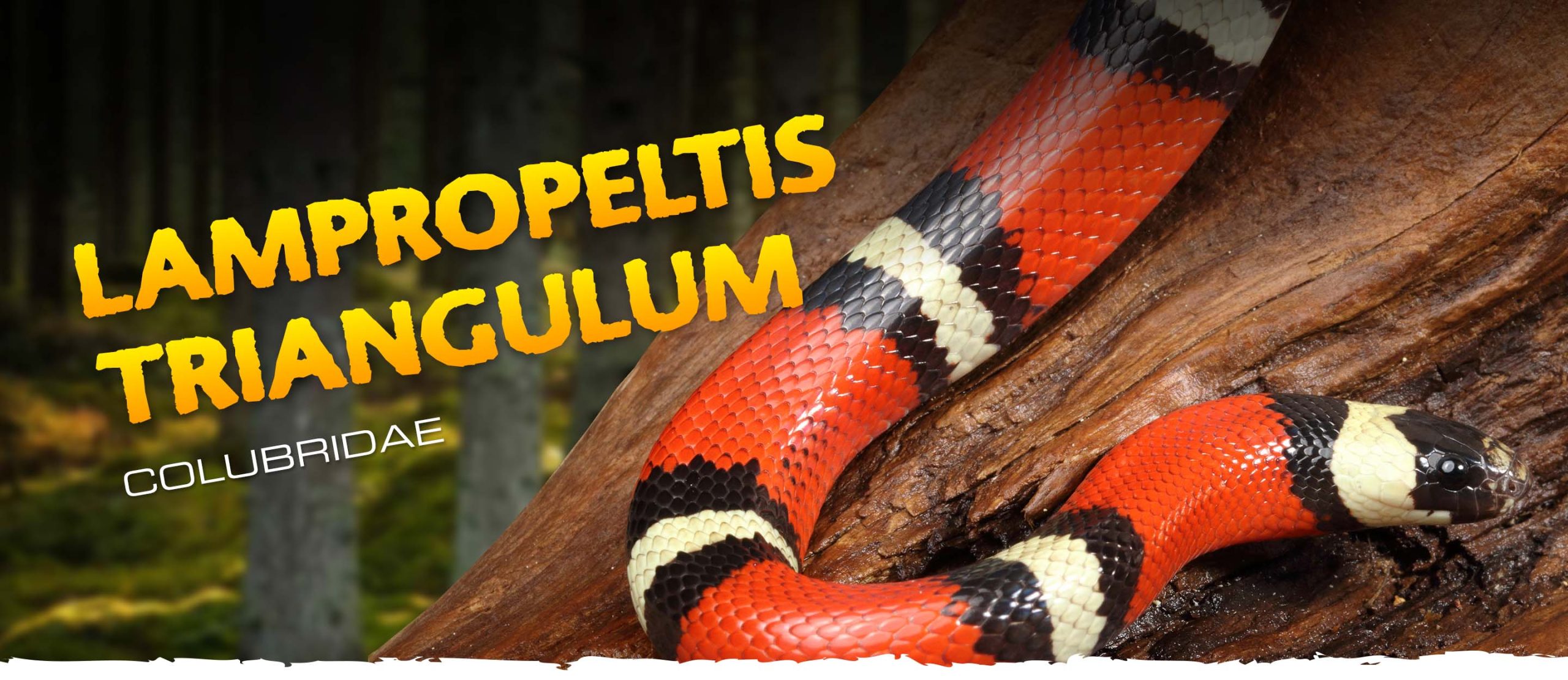
Lampropeltis triangulum
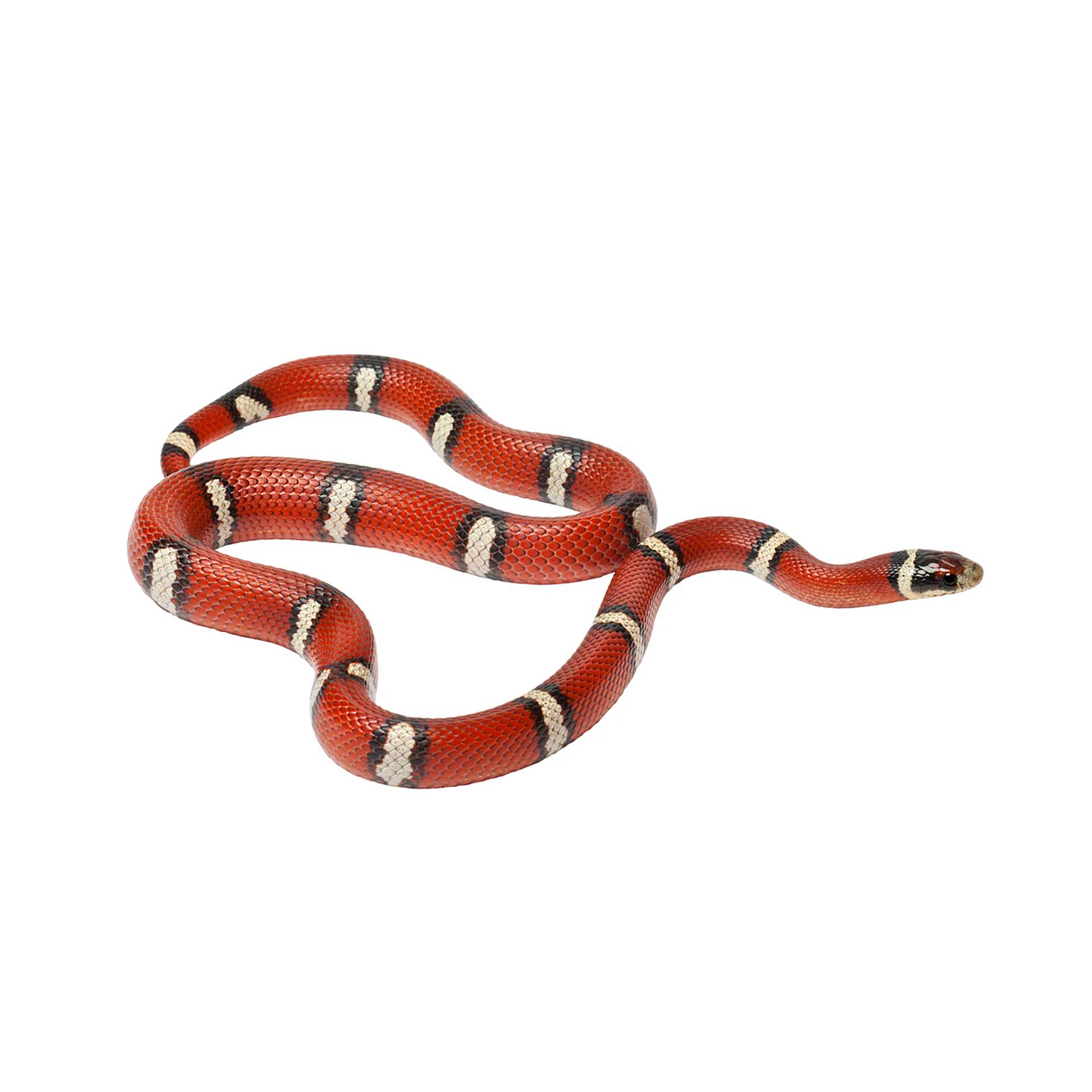

Milk Snake
Originating from North and Central America, Lampropeltis triangulum, commonly known as the Milk Snake, is a popular pet reptile admired for its vivid colors, striking patterns, and manageable size. Milk Snakes have been bred in captivity for many years, both in the USA and Europe, and are renowned for their hardy nature and ease of care, making them an excellent choice for snake enthusiasts of all experience levels.
The natural coloration of Milk Snakes exhibits a tricolor pattern consisting of red, black, and white (or yellow) bands. These bands typically alternate along the body, creating a striking and vivid appearance. The red bands are usually the most prominent, bordered by black bands, with the white or yellow bands often being narrower. The tricolor pattern of Lampropeltis triangulum mimics the coloration of venomous coral snakes (a phenomenon known as mimicry), which helps deter predators. In areas where coral snakes are present, the milk snake's bands may be particularly vibrant.
Through selective breeding, a wide variety of Milk Snake color morphs have been developed, showcasing an impressive range of patterns and hues that further enhance their appeal in the reptile community. Some of the popular morphs:
Amelanistic (Amel): This morph lacks melanin, resulting in a snake with red, white, and yellow bands. The black bands typical of wild-type milk snakes are absent or greatly reduced, making the colors more vibrant.
Tangerine: This morph emphasizes bright orange or tangerine colors, often replacing the red bands with a vivid orange. The black and white bands may be present but are often muted or reduced.
Hypomelanistic (Hypo): This morph has reduced melanin, leading to softer, lighter colors. The black bands are less intense, and the overall coloration can range from pale red to orange and light yellow.
Sunglow: This morph is a combination of the Albino and Hypo morphs, leading to an exceptionally bright snake with vibrant yellows and oranges, with reduced black or no black bands.
The vast array of Milk Snake morphs provides enthusiasts with numerous choices, each offering distinct and beautiful variations. This diversity in appearance, along with their manageable size and docile nature, contributes to the popularity of Milk Snakes as pets.

History
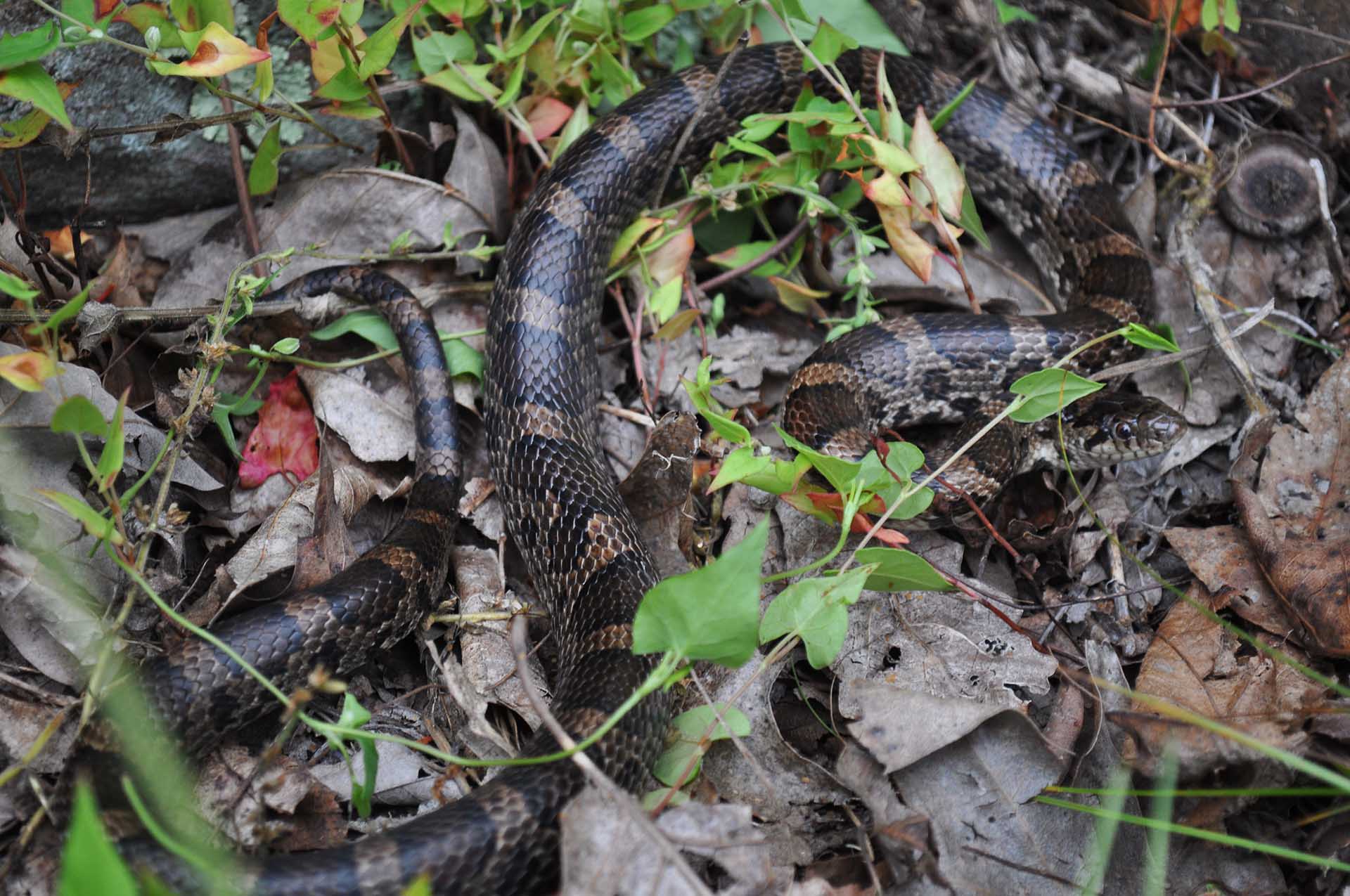
The species Lampropeltis triangulum, commonly known as Milk Snake, was first described by the Swedish naturalist Carl Linnaeus in 1766. Linnaeus is often referred to as the "father of modern taxonomy," and he described this species in the 12th edition of his work Systema Naturae under the original name Coluber triangulum. The genus name Lampropeltis, which derives from the Greek for shiny shield referring to the smooth, glossy scales, was assigned much later.
Milk snakes have an interesting backstory that contributes to their common name as well. Folklore suggests that these snakes were often found in barns, milking cows, which is a myth; they were actually there hunting rodents. Their presence in barns made them a welcomed natural pest control option for farmers. Over the years, milk snakes have been bred in captivity, resulting in various morphs that showcase different vibrant colors and patterns.
In captivity, Lampropeltis triangulum, has been bred extensively, leading to a diverse array of morphs and color variations. Their striking patterns and manageable size have made them popular among reptile enthusiasts. The popularity of Milk Snakes as pets began to grow significantly in the mid-20th century, and they have since become one of the most commonly kept and bred species within the reptile hobbyist community. Their adaptability and variety in appearance have contributed to their enduring appeal.
Characteristics
Milk Snakes belong to the family Colubridae and the subfamily Colubrinae.
Though Milk Snakes are primarily crepuscular and nocturnal, with a secretive and shy nature, they possess a range of characteristics that make them highly appealing as pets. Milk Snakes exhibit a wide range of colors from red, white, and black bands to variations including yellows and oranges, often arranged in a tri-color pattern similar to coral snakes. Their beautiful patterns, manageable size, and generally docile temperament contribute to their popularity among reptile enthusiasts.
Milk snakes are medium-sized snakes, generally measuring between 24" to 36" inches or 60 to 90 cm, depending on the subspecies and their environment. This manageable size, combined with their docile nature, makes them popular pets among snake enthusiasts.
With proper care, the average lifespan of Lampropeltis triangulum (Milk Snake) in captivity is typically between 15 to 20 years. In the wild, their lifespan may be slightly shorter due to natural predators and environmental factors.
Distribution
Milk snakes are native to a broad range stretching from southeastern Canada through the eastern and central United States, and into parts of Mexico, Central America, and northern South America. They thrive in various habitats, from wooded areas and mountainous regions to tropical forests and agricultural fields. Their adaptability to different environments contributes to their broad geographic range.
In the Wild
In their natural habitat, Milk Snakes are solitary creatures, primarily active during the night or twilight. Their diet mainly consists of small mammals, birds, eggs, and occasionally other reptiles, including other snakes. The adaptability of their diet and habitat preferences showcases their versatility as predators.
Lampropeltis triangulum naturally inhabits a diverse range of environments across North and Central America. These snakes are commonly found in woodlands, grasslands, rocky hillsides, and the edges of forests, where they can easily find shelter and food. Milk Snakes are also known to thrive in agricultural areas, such as barns and farms, where rodents are plentiful. Their adaptability allows them to live in various habitats, including fields, prairies, and even semi-arid regions, as long as there is sufficient cover and prey. This versatility in habitat preference contributes to their wide distribution across their range.
Milk Snakes inhabit regions that experience a wide range of seasonal temperature and humidity variations. In the spring and fall, these areas typically enjoy mild temperatures, generally ranging from 60°F to 80°F or 15°C to 27°C. During the summer, temperatures can rise significantly, often reaching between 80°F and 90°F or 27°C to 32°C or even higher in some regions. Winter temperatures vary considerably depending on the geographic location, generally ranging from 30°F to 60°F or -1°C to 15°C, with some areas experiencing occasional drops below freezing. This adaptability to diverse climatic conditions allows Milk Snakes to thrive in a variety of habitats across their range.

In the Terrarium
Lampropeltis triangulum, or the Milk Snake, is a primarily crepuscular and nocturnal reptile with a predominantly terrestrial lifestyle, although they are also capable climbers. While Milk Snakes spend most of their time on the ground, they do occasionally exhibit semi-arboreal behaviors, allowing them to climb rocks, logs, and low vegetation. Because of their terrestrial nature, a horizontally oriented terrarium is ideal for housing Milk Snakes. Incorporating hiding spots, ground cover, and elevated platforms where the snake can explore and bask provides a more enriching environment. While climbing is not their primary behavior, they will take advantage of structures that allow them to explore vertically, adding diversity to their habitat.
Milk Snakes are generally not a social species. In the wild, they are solitary animals, typically coming together only during the breeding season. Milk Snakes are known to exhibit cannibalistic behavior, meaning they may prey on other snakes, even those of similar size or species. This risk is especially high if there is a significant size difference between the snakes. When keeping Milk Snakes together in captivity, it's essential to monitor them closely for signs of stress or aggression, ensure they are of similar size, and provide ample space and hiding spots to reduce competition and stress. Most experts recommend housing Milk Snakes individually to ensure their well-being.
Creating a suitable environment for Milk Snakes in captivity involves replicating their natural habitat as closely as possible.

Terrarium
Pro Paludarium Large X-Tall
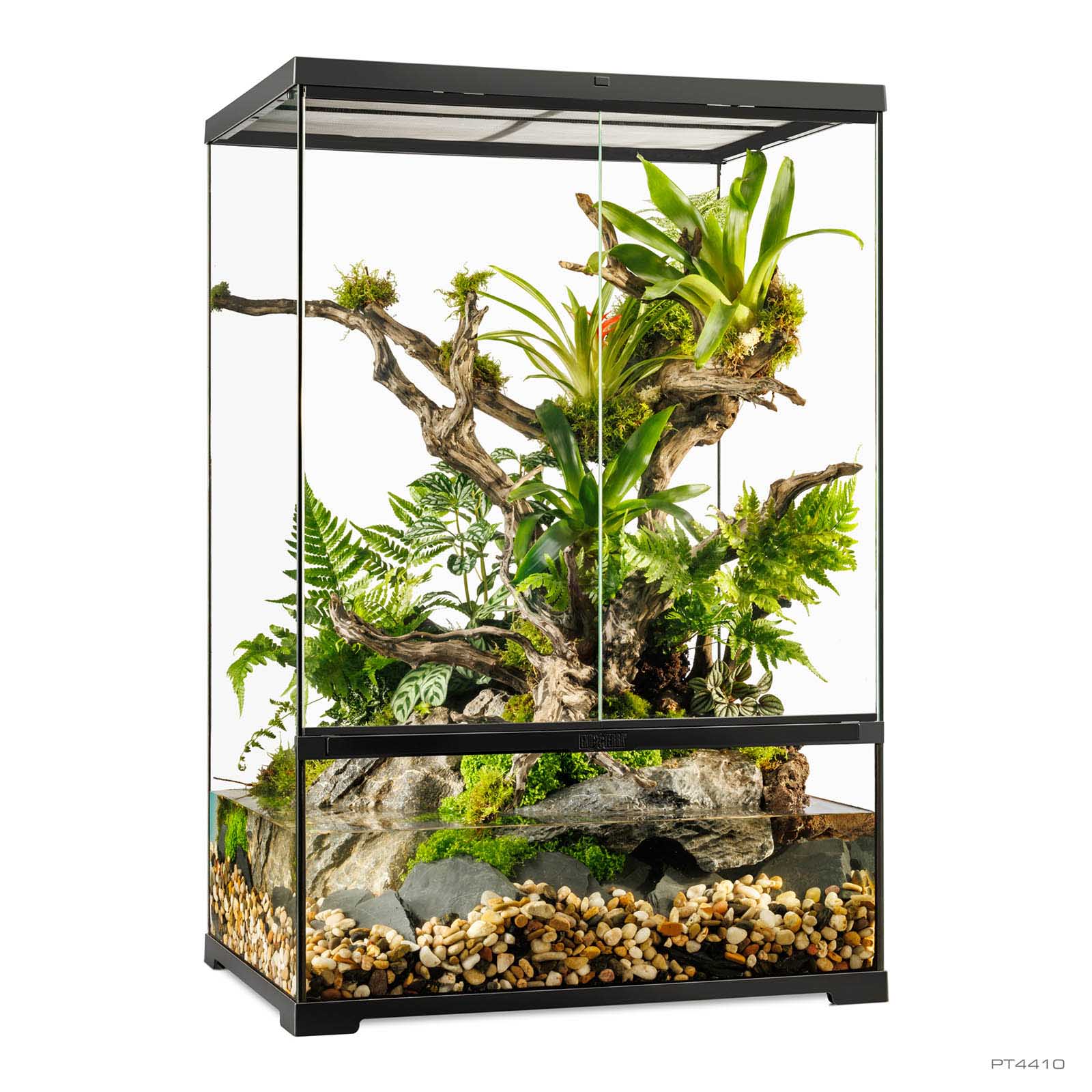
Pro Paludarium Medium X-Tall

Pro Paludarium Small X-Tall
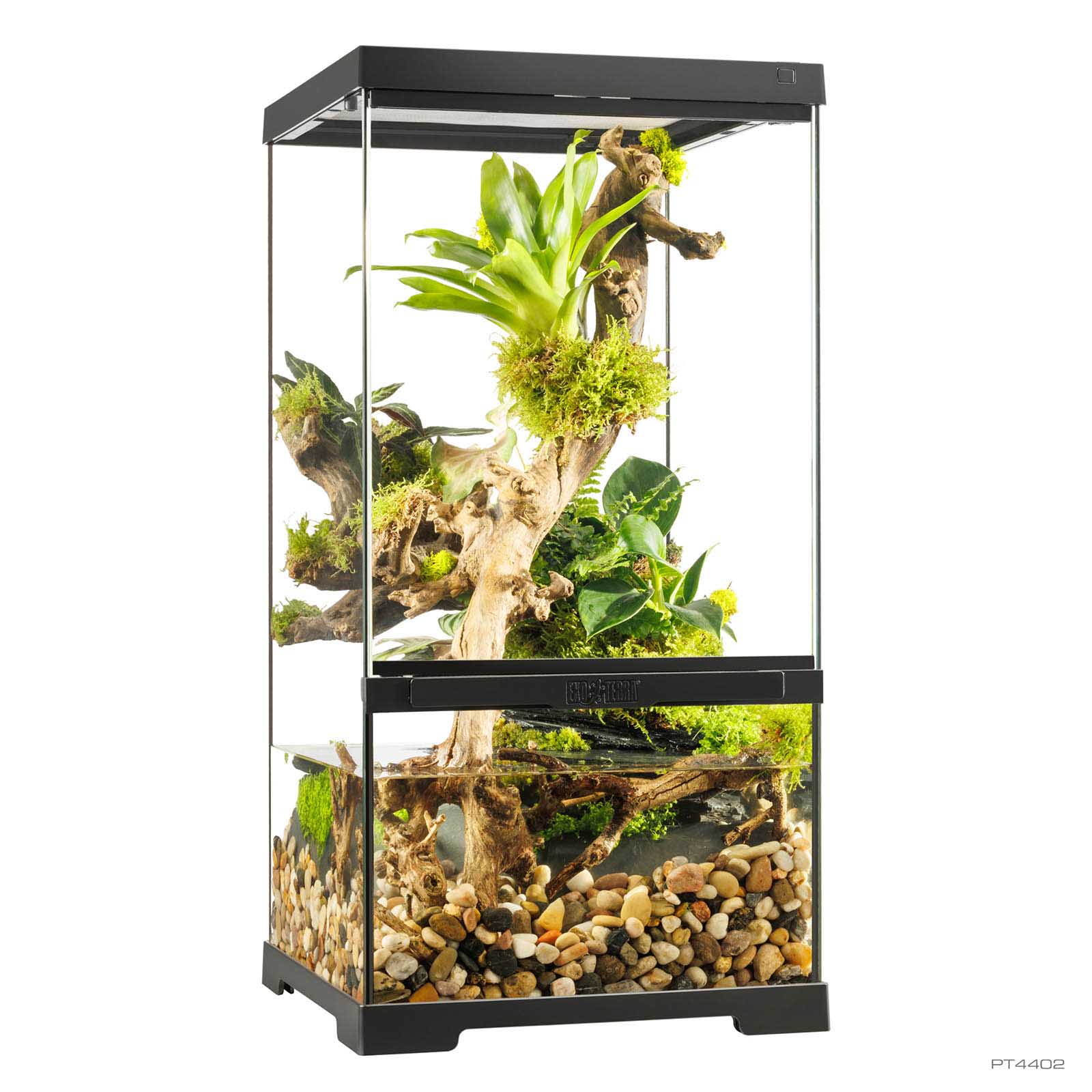
Pro Paludarium X-Small X-Tall
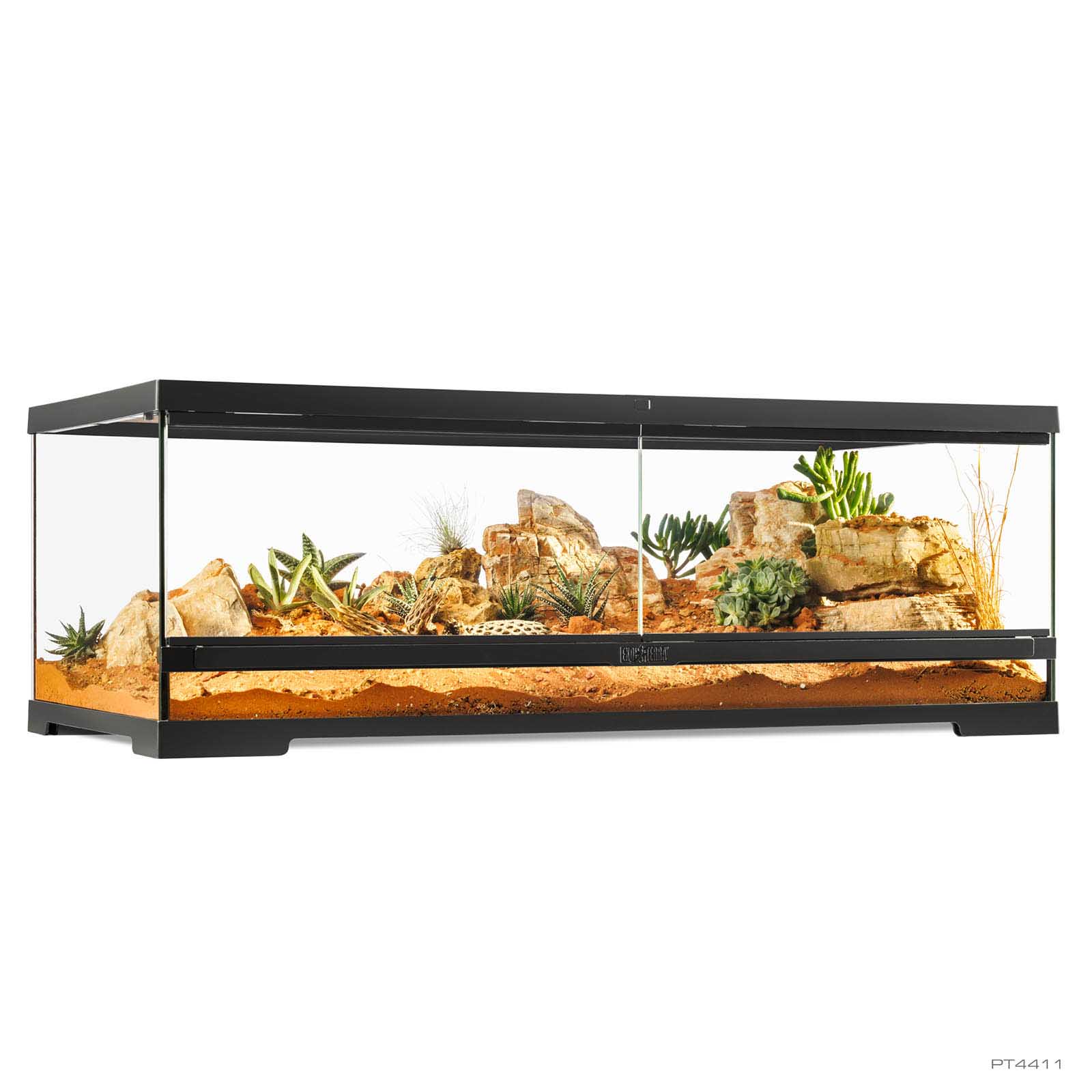
Pro Terrarium Large Low
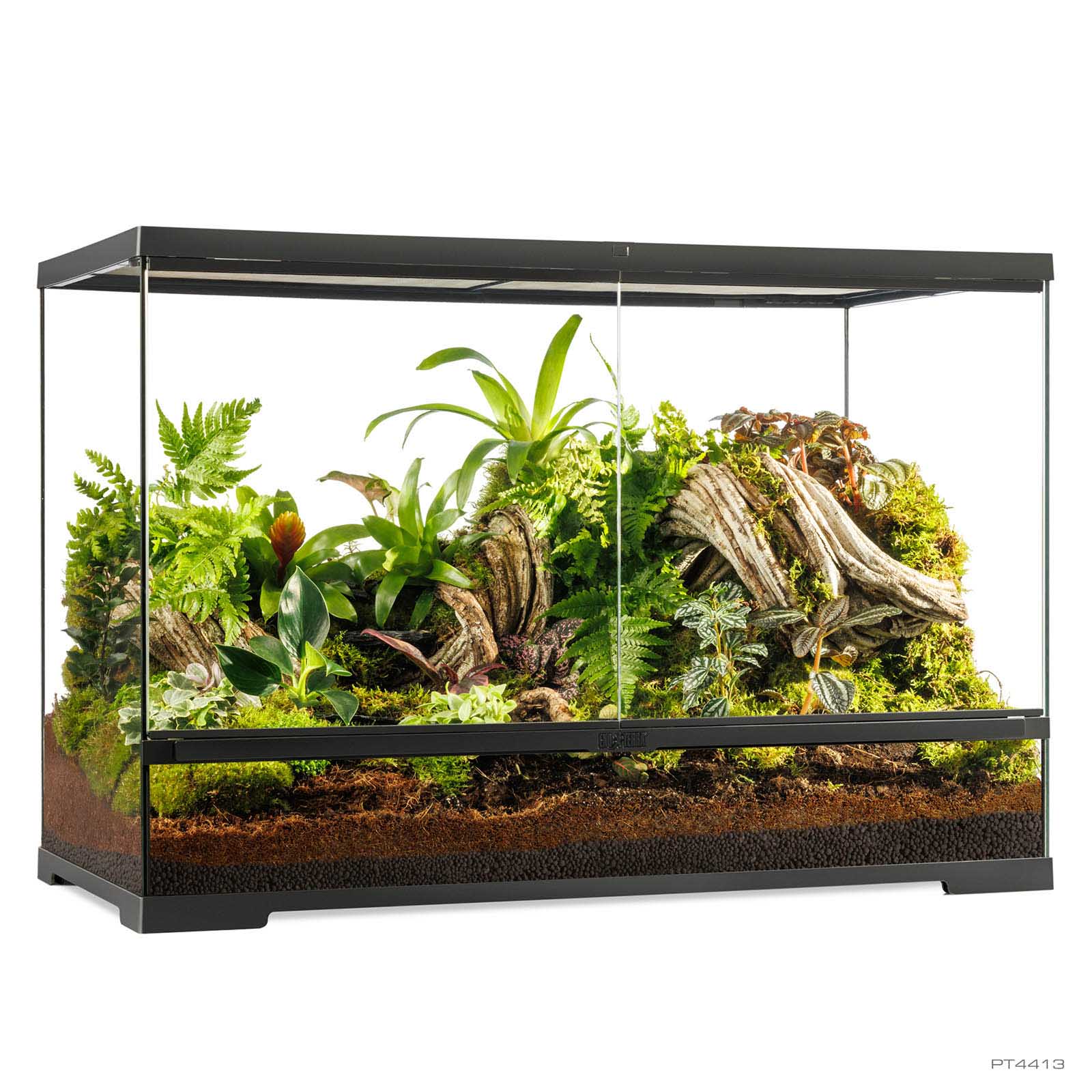
Pro Terrarium Large Tall
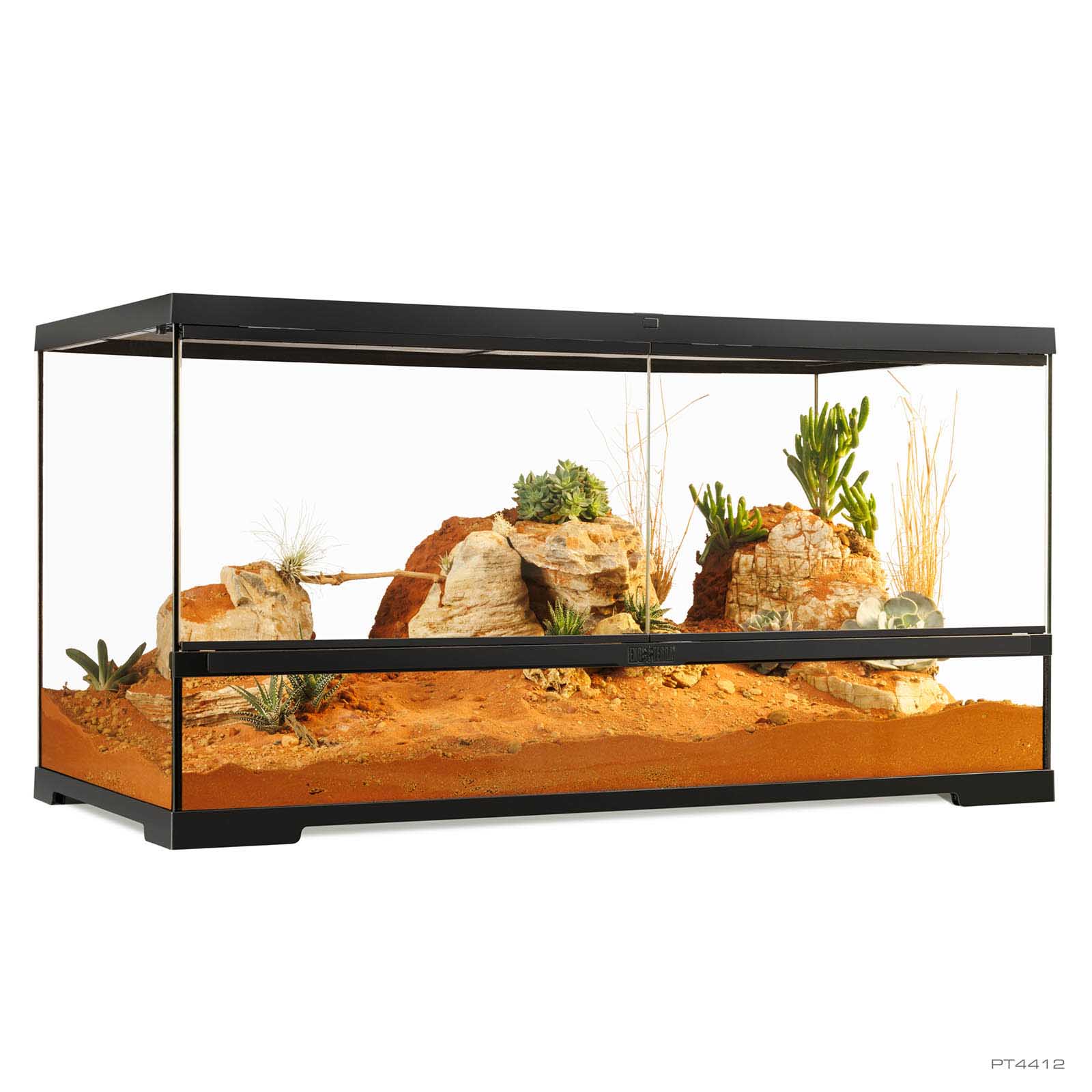
Pro Terrarium Large Wide
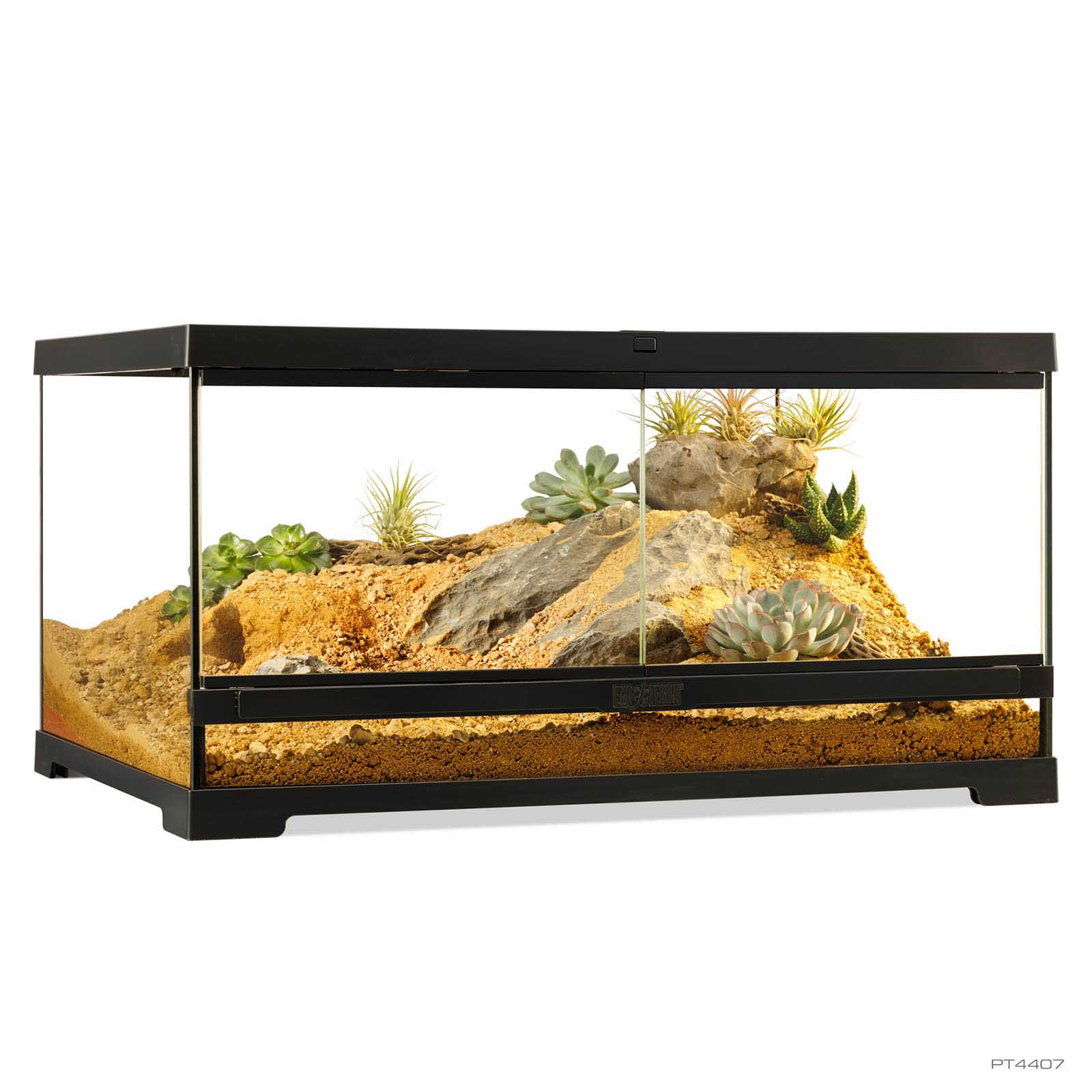
Pro Terrarium Medium Low
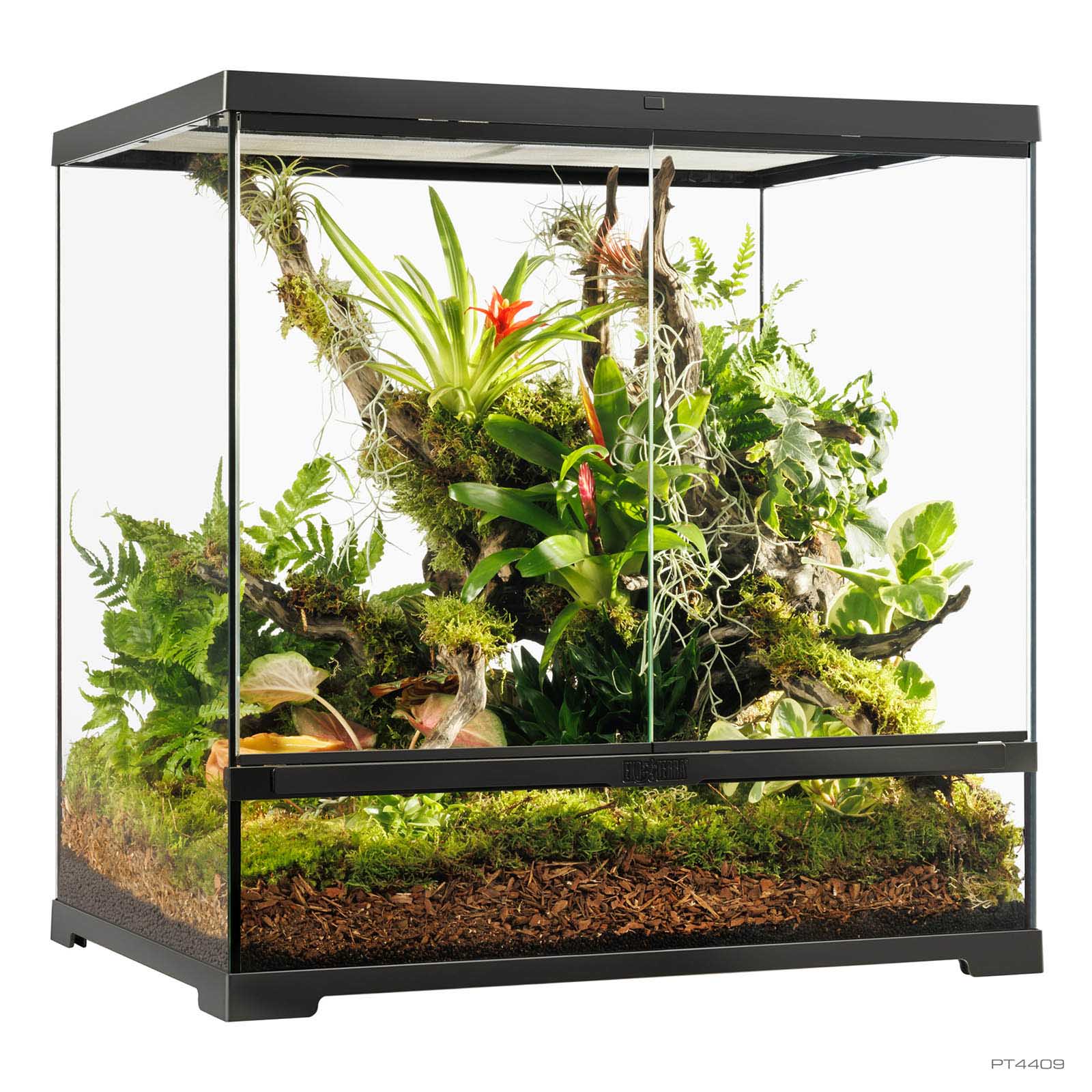
Pro Terrarium Medium Tall
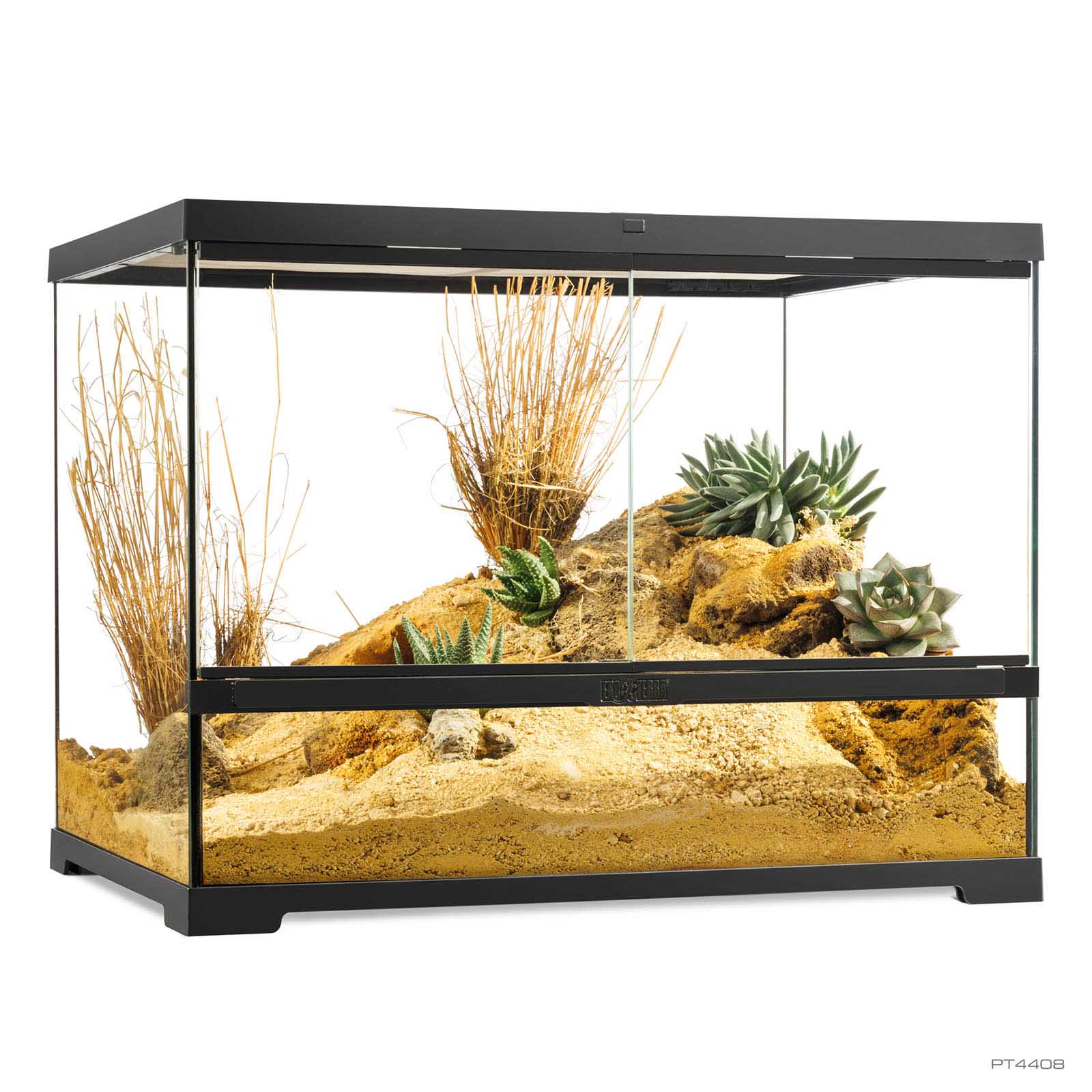
Pro Terrarium Medium Wide
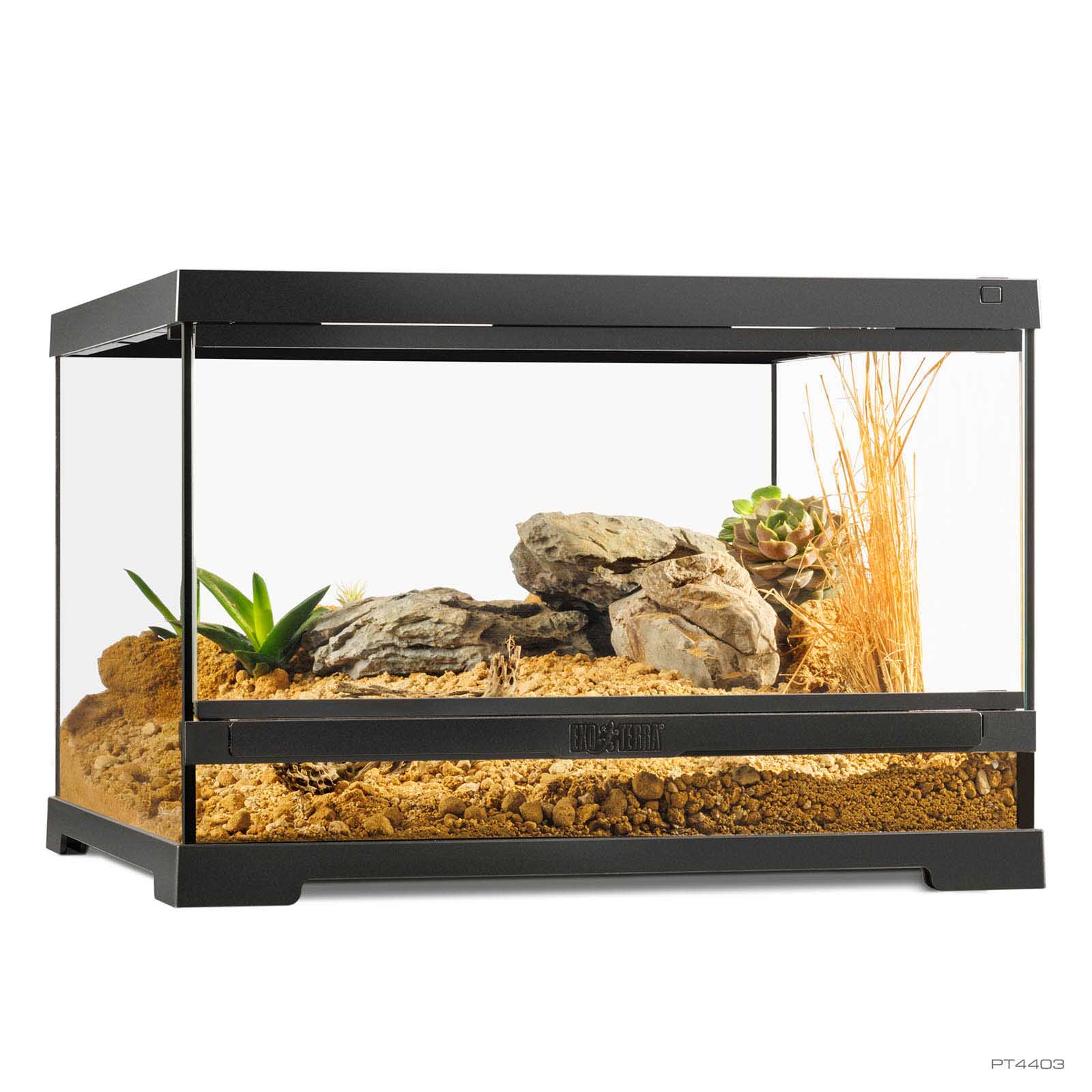
Pro Terrarium Small Low

Pro Terrarium Small Tall
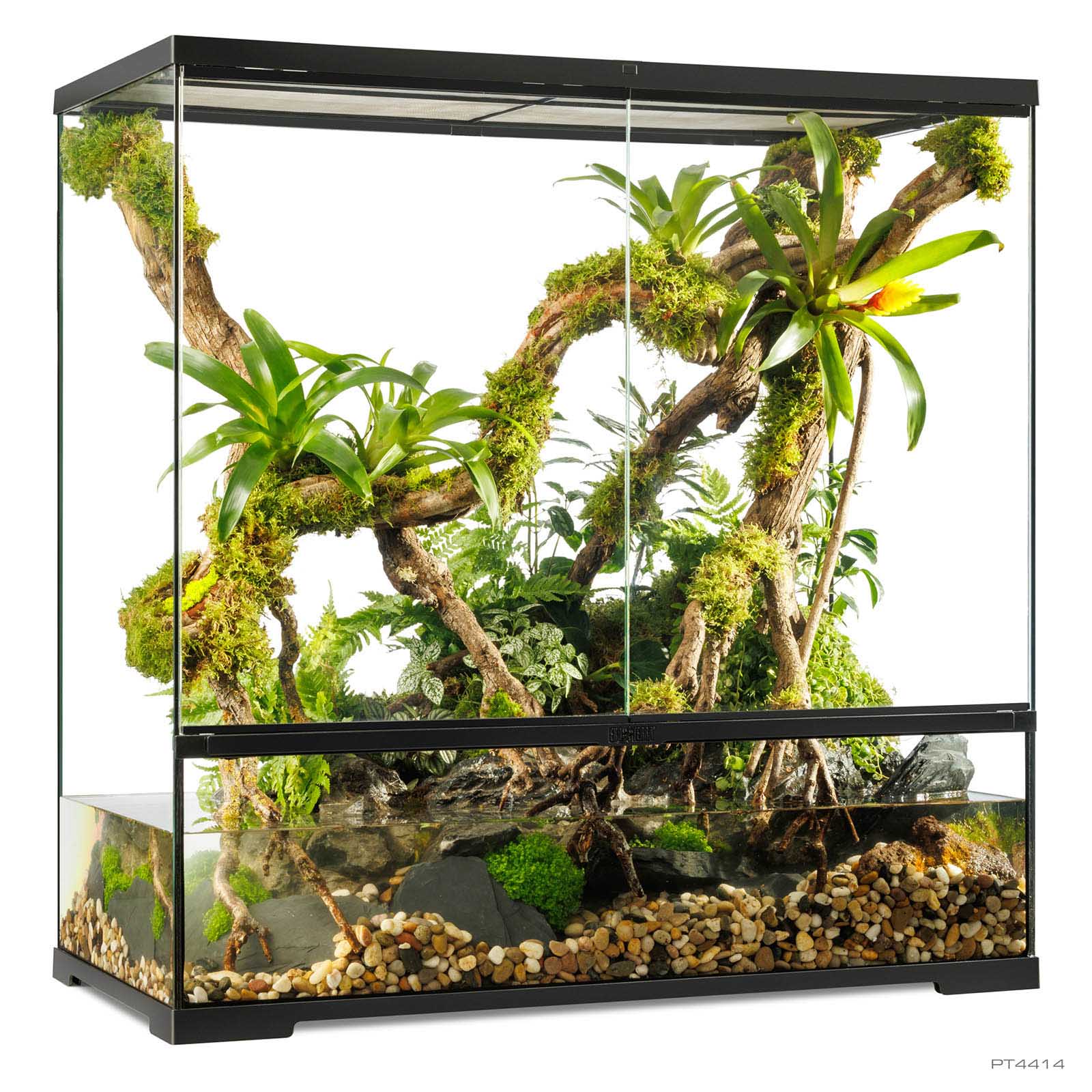
Milk Snakes thrive best in horizontally oriented, well ventilated terrariums like the Exo Terra® Natural Terrariums. The terrarium should provide enough space for the snake to move around comfortably and exhibit their natural behaviors.
Exo Terra® Natural Terrariums, designed by European herpetologists, offer several housing options for Milk Snakes. These glass terrariums feature front opening doors, allowing easy access for maintenance and feeding and a unique double ventilation system with full screen stainless steel top. The full screen stainless steel top allows ultraviolet rays from UVB lights to penetrate deep inside the enclosure. In the back of the screen cover are 5 closable wire or tube inlets on both sides to facilitate the installation of powered accessories.
DISCLAIMER In regards to the pet species and number of specimens to be kept in a terrarium, always comply with the species specific Rules and Regulations in your Country of residence.
DISCLAIMER The terrarium should be placed in a room receiving only indirect light from windows. Do not place the Terrarium near a window where it can receive direct sunlight, as this could cause the terrarium to overheat and stress or kill your Milk Snakes.
Lighting
Milk Snakes are nocturnal and crepuscular residents of the Cryptophotic Zone, meaning they are most active during twilight and prefer hidden or shaded environments. Inhabiting the Cryptophotic Zone, they are adept at navigating and thriving in low-light conditions, where they can regulate their body temperature and behavior away from direct sunlight. Their habitats balance subtle light and ample cover, catering to their physiological needs through carefully moderated exposure to light and warmth.
These snakes rely on a mix of indirect natural light and thermal gradients to support their metabolic processes and overall health. Ensuring they receive the optimal blend of diffused light, including visual light, moderate UVA and UVB, and controlled Infrared-A Heat rays, is crucial for their well-being. This setup allows Lampropeltis triangulum to maintain their preferred temperature without the risk of overheating, while providing the necessary environmental cues for their natural behavior and circadian rhythm.
Ensuring the presence of the proper UVB wavelength is essential for the conversion of provitamin D3 (7-Dehydrocholesterol) into pre-Vitamin D3. Once this conversion takes place, the warmth from Infrared-A heat rays becomes the catalyst for the thermal isomerization process, ultimately yielding the vital Vitamin D3. Even though snakes do not necessarily require UVB lighting for vitamin D3 assimilation, it does support their production of vitamin D3 and benefits various other biological processes. The inadequate assimilation of calcium from daily food is a prevalent dietary issue among captive reptiles. It's important to remember that calcium plays a pivotal role in bone growth and maintenance, muscle function, and numerous critical metabolic processes within their bodies.
We recommend providing your cryptophotic Milk Snakes with a combination of visible light, moderate UVA & UVB rays and an appropriate Infrared-A heat source. To provide visual light and moderate UVA and UVB rays, the best option is the Reptile UVB100 T5 Linear Bulbs or Compact Bulbs, catering specifically to reptiles of the Cryptophotic Zone, or the TerraSky UV LED which allows adjustment of the UVA and UVB output strength to match the demand of your Milk Snakes.
To create a perfect basking zone where visual light, radiant Infrared-A heat, and UVB converge harmoniously, it is recommended to install a Tungsten Halogen or other Incandescent bulb (such as the Intense Basking Spot or Halogen Basking Spot). The Infrared-A emitted by these bulbs penetrates deeply into the subcutaneous skin, enabling effective deep tissue thermoregulation. This supports various metabolic processes, including vitamin D3 conversion, cell growth, wound healing, and immune system enhancement.
Maintaining a 12-hour day/night cycle offers a straightforward approach to ensuring the well-being of your Milk Snakes throughout the year. For those aiming to replicate natural seasonal changes and potentially encourage breeding, consider adjusting the photoperiod and temperatures seasonally. During the summer months, extend daylight to 14 hours paired with higher temperatures, and shift to cooler conditions with 10 hours of daylight during the winter. This simulation of natural environmental changes can enhance your milk snakes' overall health and reproductive success.

Reptile UVB Pro 100 24W

Reptile UVB Pro 100 54W

Reptile UVB Pro 100 8W

Reptile UVB Pro100 39W
Heating
Monitoring
Milk Snakes require a specific temperature range both during the night and the day to thrive (see “Heating”).
To have a clear indication of the temperature gradients inside the terrarium, it is best to use 2 Exo Terra® Digital or Analog Thermometers, one placed on the cooler side of the Terrarium, and one on the warmer side. This helps you to monitor the preferred temperatures for your reptiles.
The safest option to ensure that your reptiles receive the right temperature is the use of a Thermostat. The Exo Terra® Thermostats will also help to prevent overheating and undercooling during hot summer days or cold winter nights. With the Exo Terra® Thermostats you can create a well-controlled heating system that allows you to maintain the required temperature conditions similar to those found in your animal's environment.
Exo Terra® offers a wide range of Thermostats to meet every possible application:
With the Exo Terra® 600W Thermostat with Day/Night Timer & Dual Receptacles, for instance, you can create a well-controlled 24-hour heating system that allows you to maintain the required temperature conditions similar to those found in a desert or tropical environment. Both the daytime and nighttime temperatures can be set and controlled individually to guarantee safe daytime-nighttime temperature fluctuations for your reptiles. The Dual Receptacles allow you to control 2 separate heating devices, 1 during daytime, 1 during night-time (for instance: 1 incandescent heat bulb during daytime & 1 Heat Mat during night-time or for 24-hour use).
Visit our Thermostat page for more information about the different functionalities of our Thermostats.
Substrates
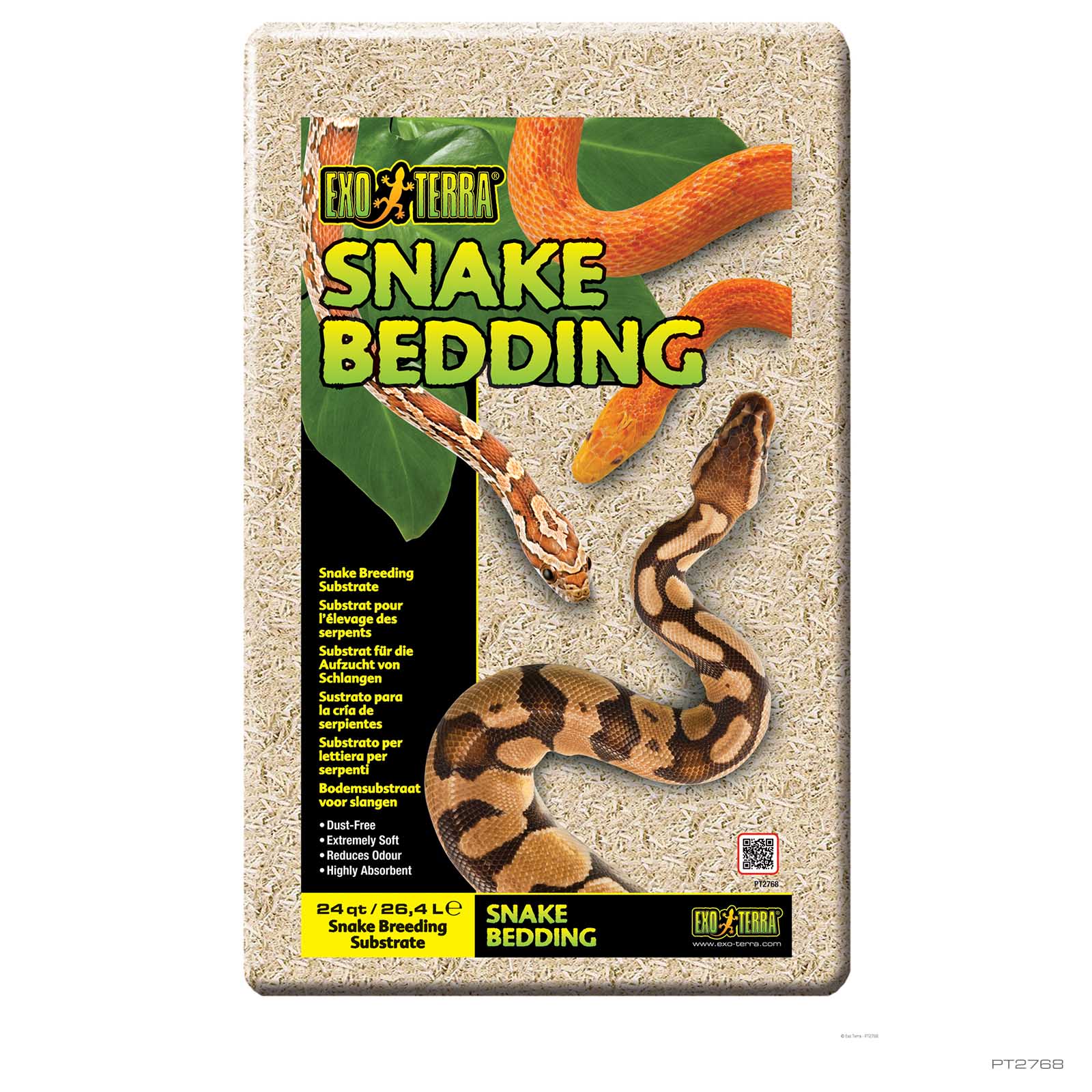
Snake Bedding 24QT - 26,4L
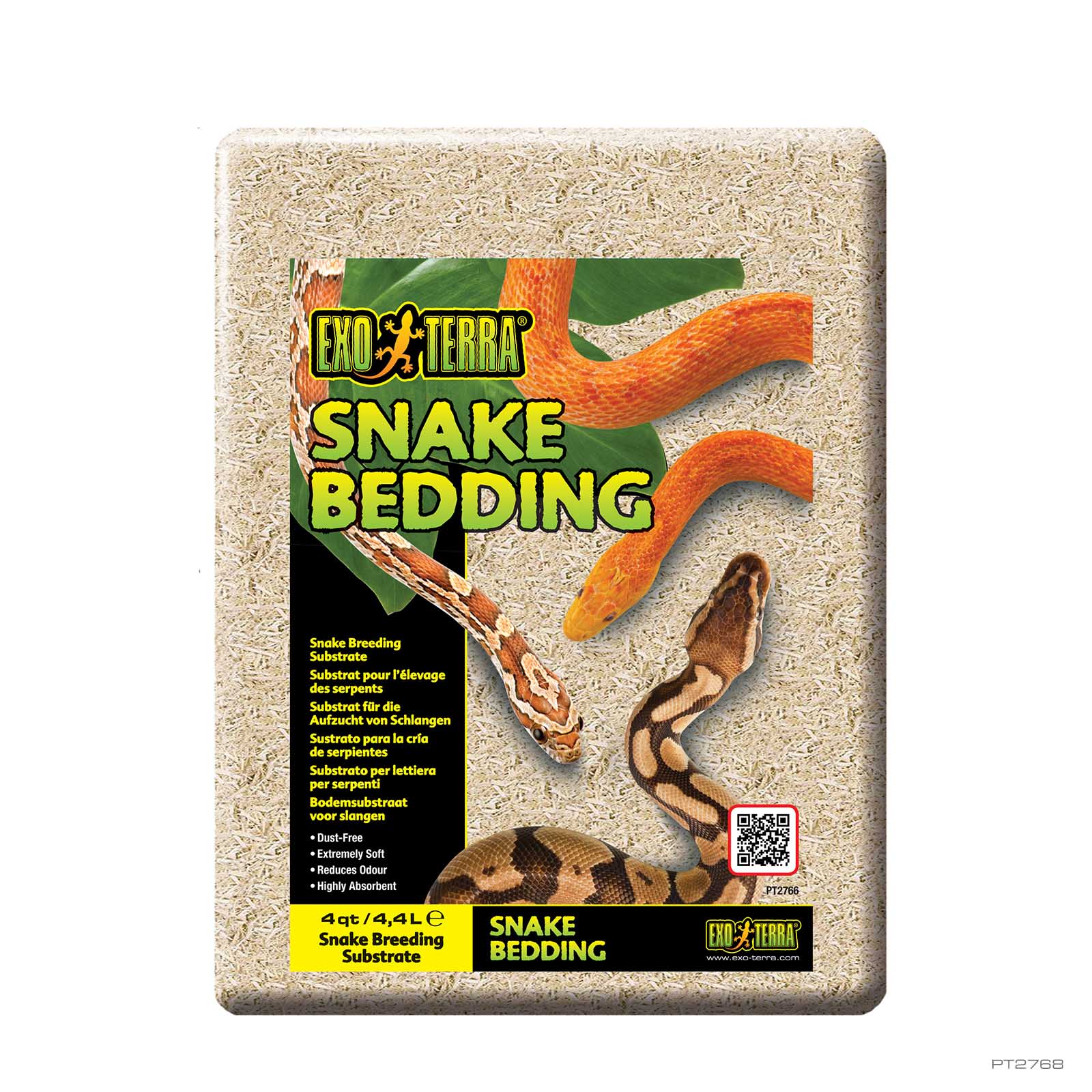
Snake Bedding 4QT - 4,4L
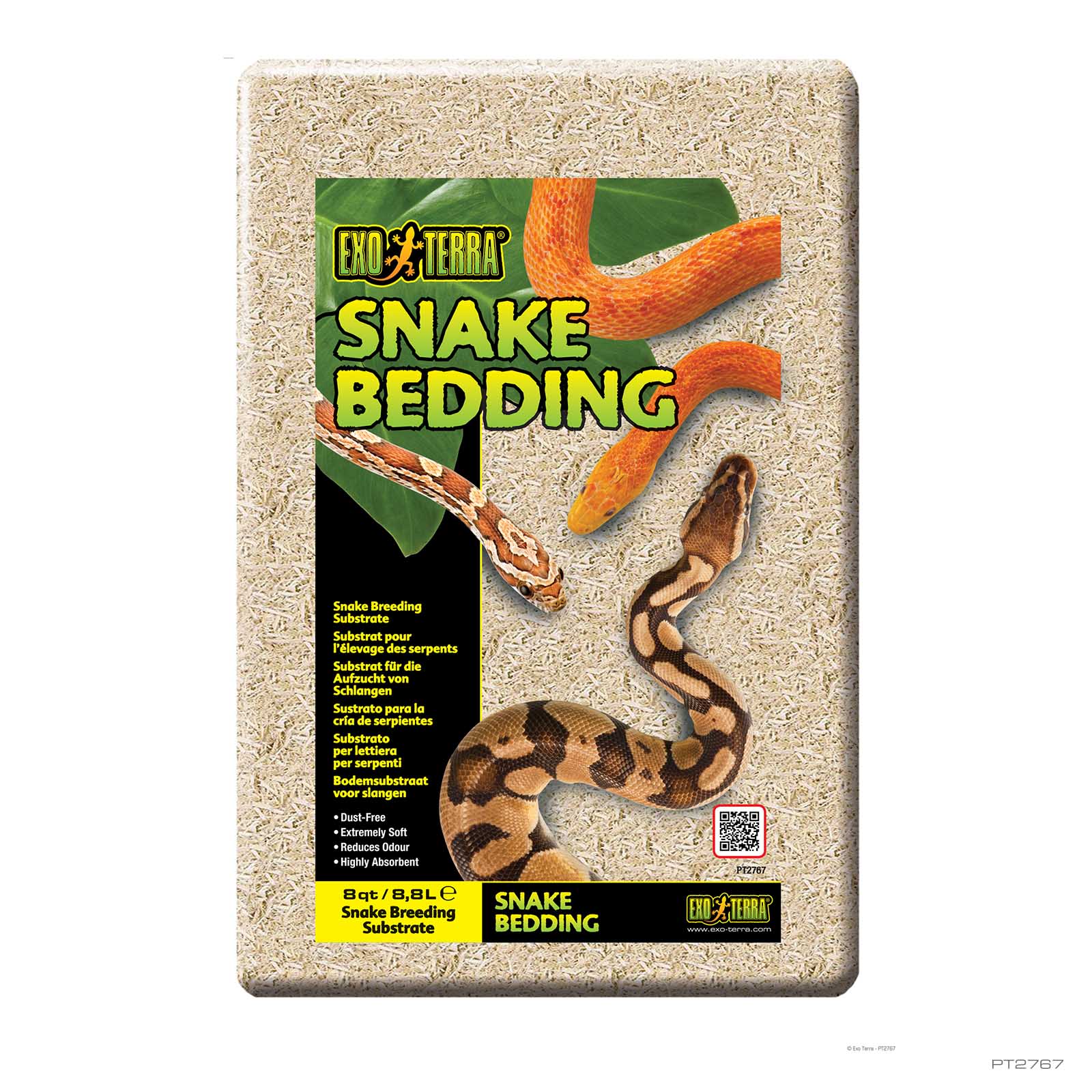
Snake Bedding 8QT - 8,8L
The Exo Terra® Snake Bedding stands out as the ideal substrate for Milk Snakes due to its exceptional features and benefits. This biodegradable reptile substrate is crafted from sustainable wood, making it an eco-friendly choice for breeders and professional reptile keepers. Its dust-free and extremely soft texture is perfect for even the most sensitive species and hatchlings, ensuring a comfortable and safe environment.
One of the key advantages of the Exo Terra® Snake Bedding is its heat-treated nature, which reduces bacterial contamination and enhances absorbency. This makes it a hygienic option for your Milk Snake's habitat. The unique texture of the wood fiber allows reptiles to shape firm nesting burrows, mimicking their natural shelters, which is crucial for their well-being and behavioral enrichment.
Moreover, the bedding boasts a high absorption rate of 3:1 and fast-drying properties, making it very low maintenance. This means less frequent cleaning and a cleaner, more pleasant environment for your Milk Snake. With its combination of sustainability, safety, and convenience, the Exo Terra® Snake Bedding is the ideal choice for creating a healthy and naturalistic habitat for your Milk Snake.
Plants
Adding a mix of decorative live and Exo Terra® artificial plants to your terrarium will provide extra cover and increase the aesthetics of the terrarium's interior design. Many hobbyists choose to introduce live plants in pots that are buried in the substrate and concealed with decor items, like cork bark or rocks.
DISCLAIMER Make sure they have no pests before introduction and rinse leaves thoroughly to remove any pesticide residues.
Exo Terra® offers a wide range of artificial plants with the same advantages as live plants; they're decorative, they provide shade and they create hiding spots and visual barriers to let your reptiles and amphibians experience an increased feeling of safety and reduced stress. Exo Terra's artificial plants are exact copies of their natural counterparts to blend in well with live plants but are much easier to maintain. A combination of live plants and Exo Terra's artificial plants allows you to fully plant a terrarium, even in the hottest or driest parts.
Exo Terra's Ground Cover Plants are easy to clean & maintain, while the weighted base allows you to easily position the plant after maintenance.
Hide Outs
In the wild, Milk Snakes are generally solitary animals, typically coming together only during the breeding season. When keeping Milk Snakes together in captivity, it's essential to monitor them closely for signs of stress or aggression, ensure they are of similar size, and provide ample space and hiding spots to reduce competition and stress.
Exo Terra® offers a variety of hide-outs to match everyone’s taste, but the main goal is always to provide a safe refuge for your Milk Snakes to hide and sleep, or seek shade or privacy. Most Decorative Hides will also function as a climbing space and basking platform because they create 3-D levels in the terrarium, ideal for your Milk Snakes to thermoregulate. Whether you like the more natural looking Reptile Caves, or you prefer the Skulls, Dinosaur Eggs, or other designs, always make sure that the moisture inside the cave is somewhat higher (60-70%) than the average humidity in the terrarium.
Exo Terra® created various ceramic caves designed specifically to facilitate recreating that natural micro-climate. The eco-friendly Exo Terra® Ceramic Hides offer your Milk Snakes a secure place to hide and sleep, while the moist microclimate will support thermo-regulation, hydration, and aid the natural shedding process of your snakes. The unique hygroscopic properties of the ceramic material regulate the cave’s humidity and temperature in a natural way by absorbing and slowly releasing moisture from the water reservoir.
By simply adding moistened Exo Terra® Forest Moss or Sphagnum Moss, the Exo Terra® Ceramic Hides provide an ideal egg-laying site for your Milk Snakes.
When housing multiple Milk Snakes in one terrarium, ensure that each animal has its own hide-out to prevent stress.

Aztec Calendar Medium

Aztec Calendar Small

Aztec Warrior
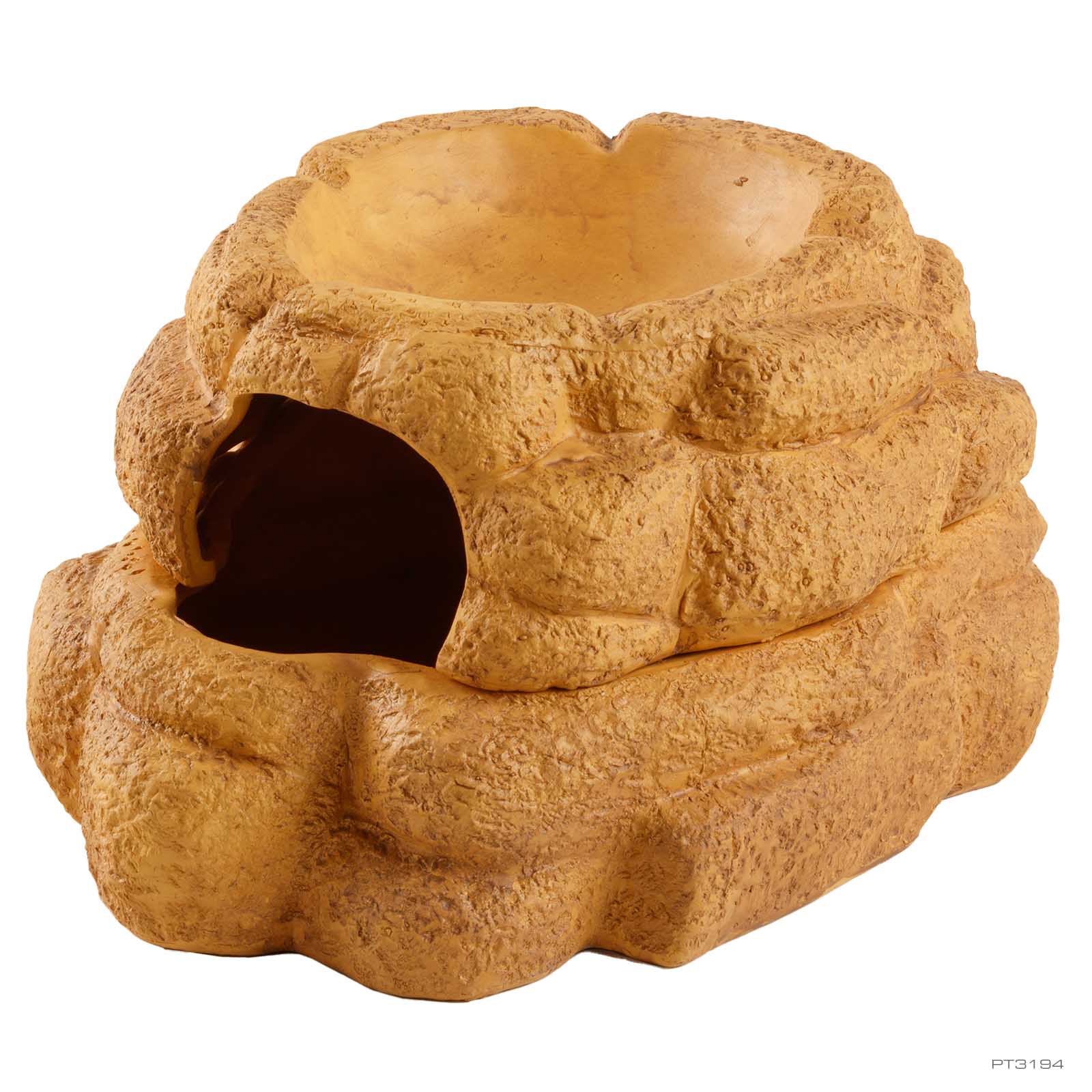
Big Rock Large
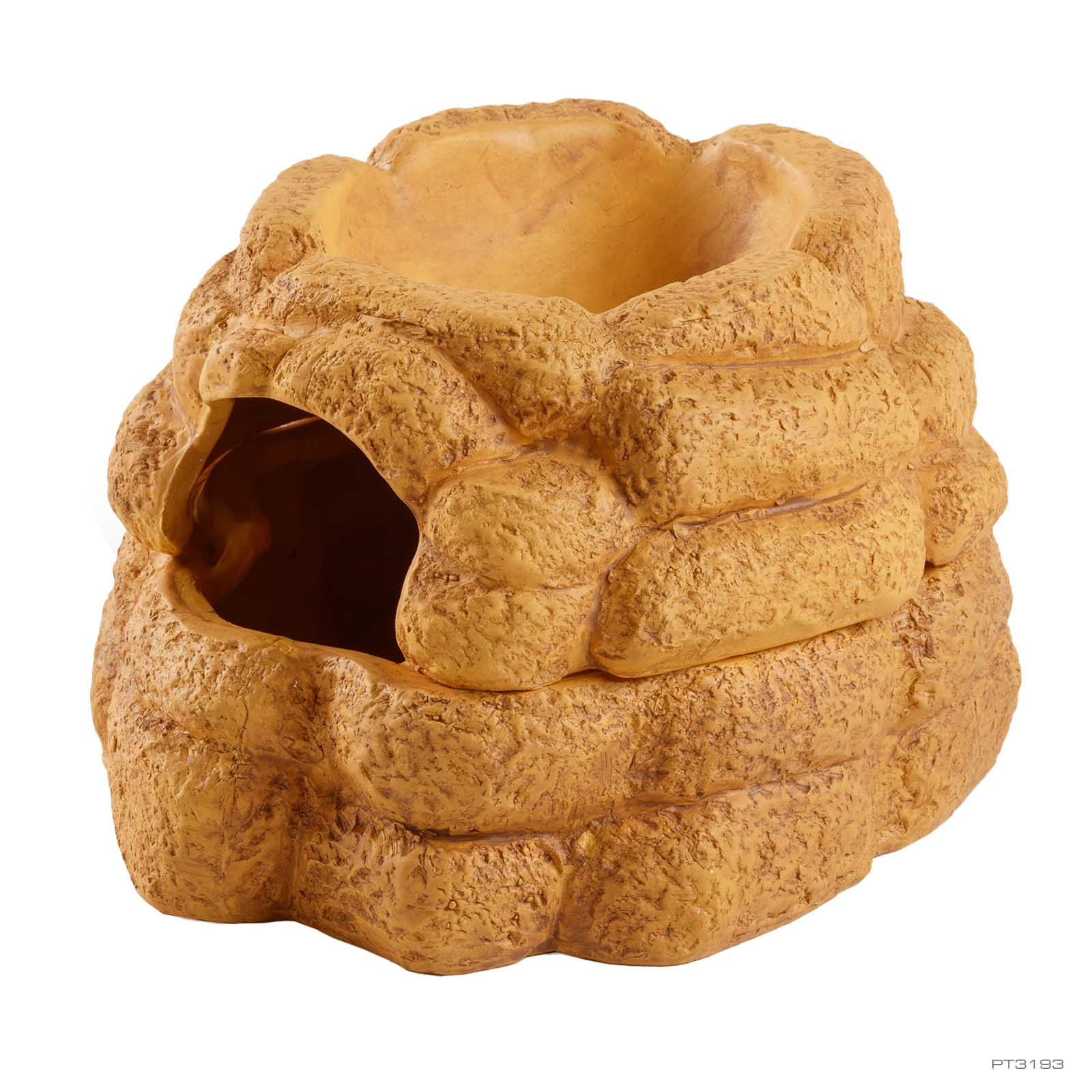
Big Rock Medium
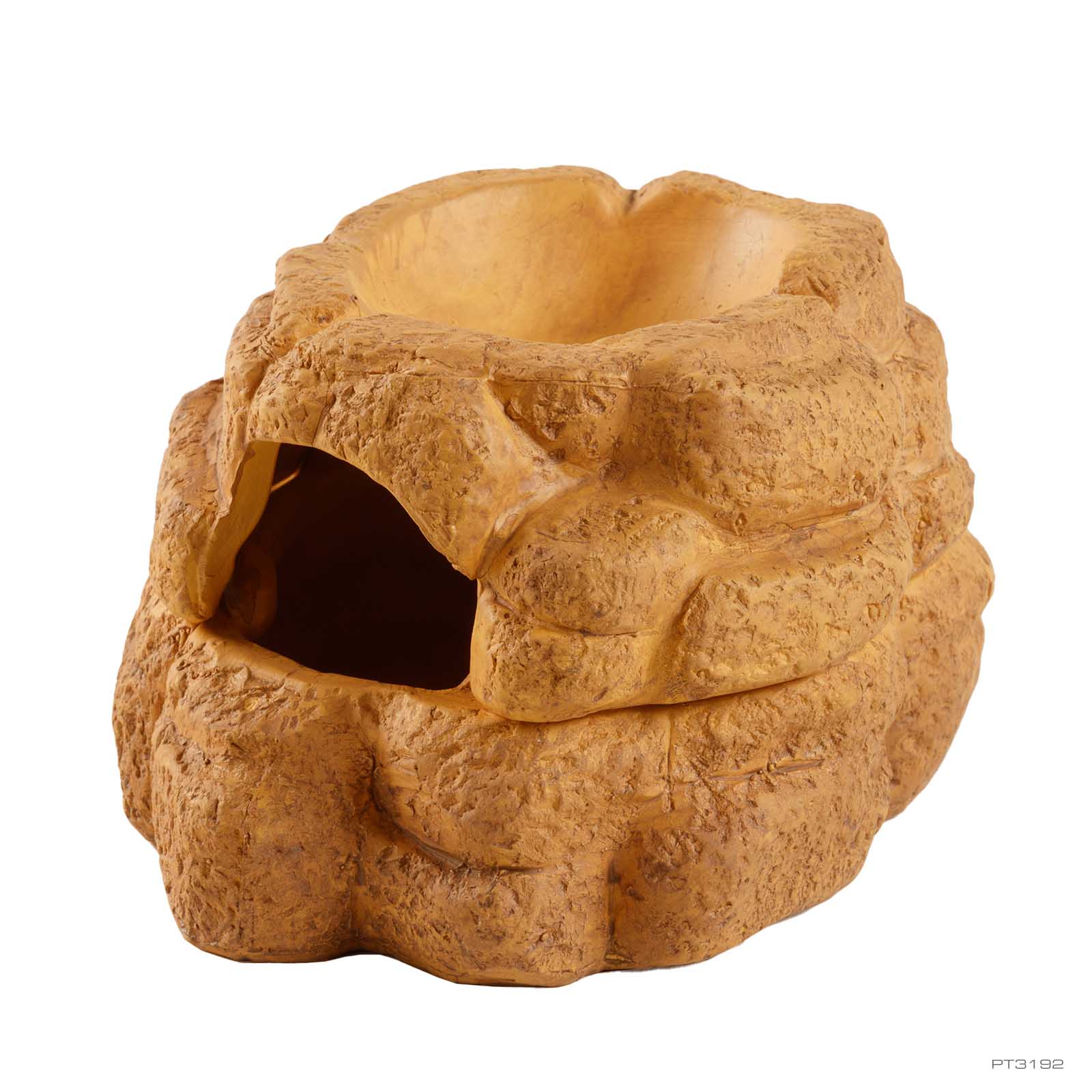
Big Rock Small
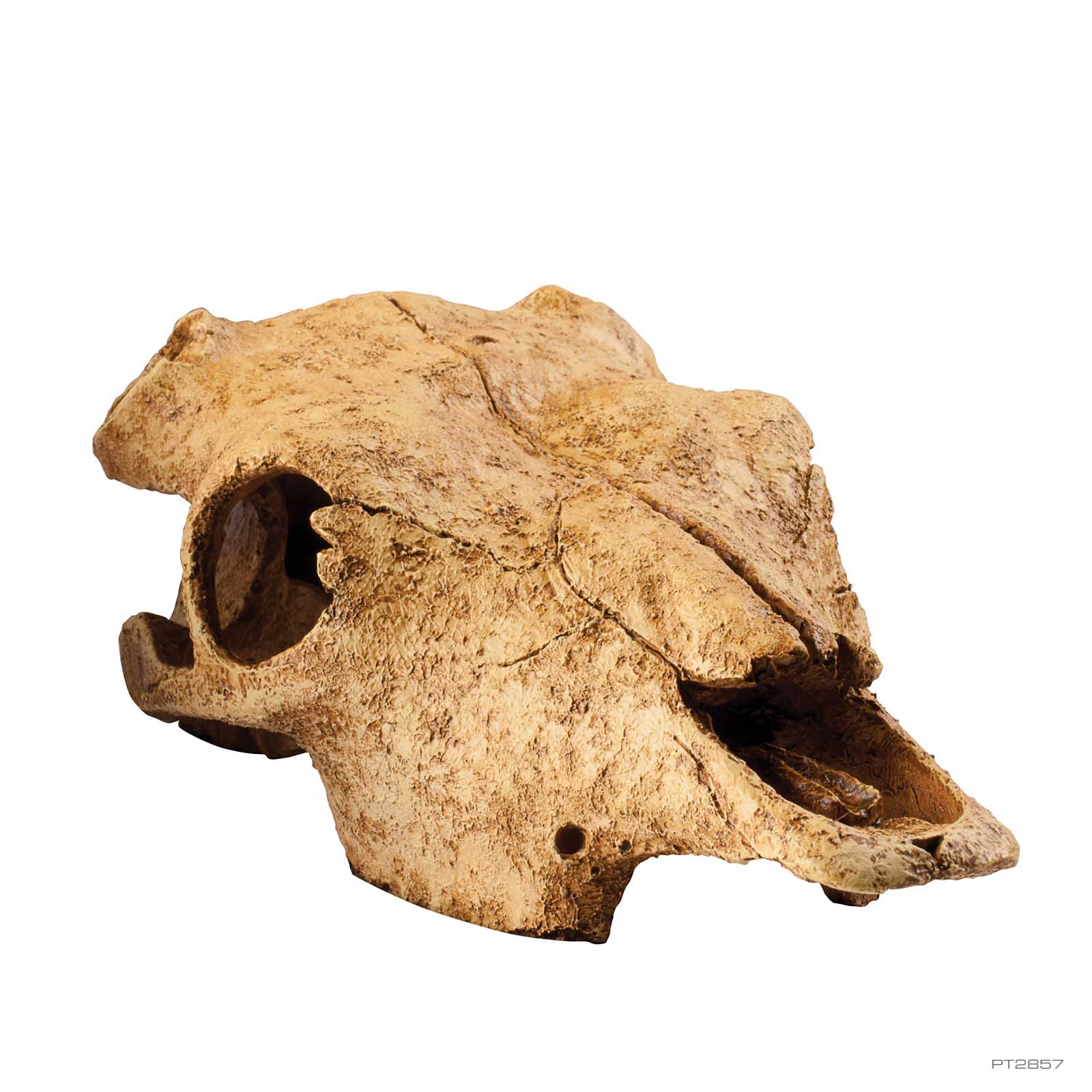
Buffalo Skull
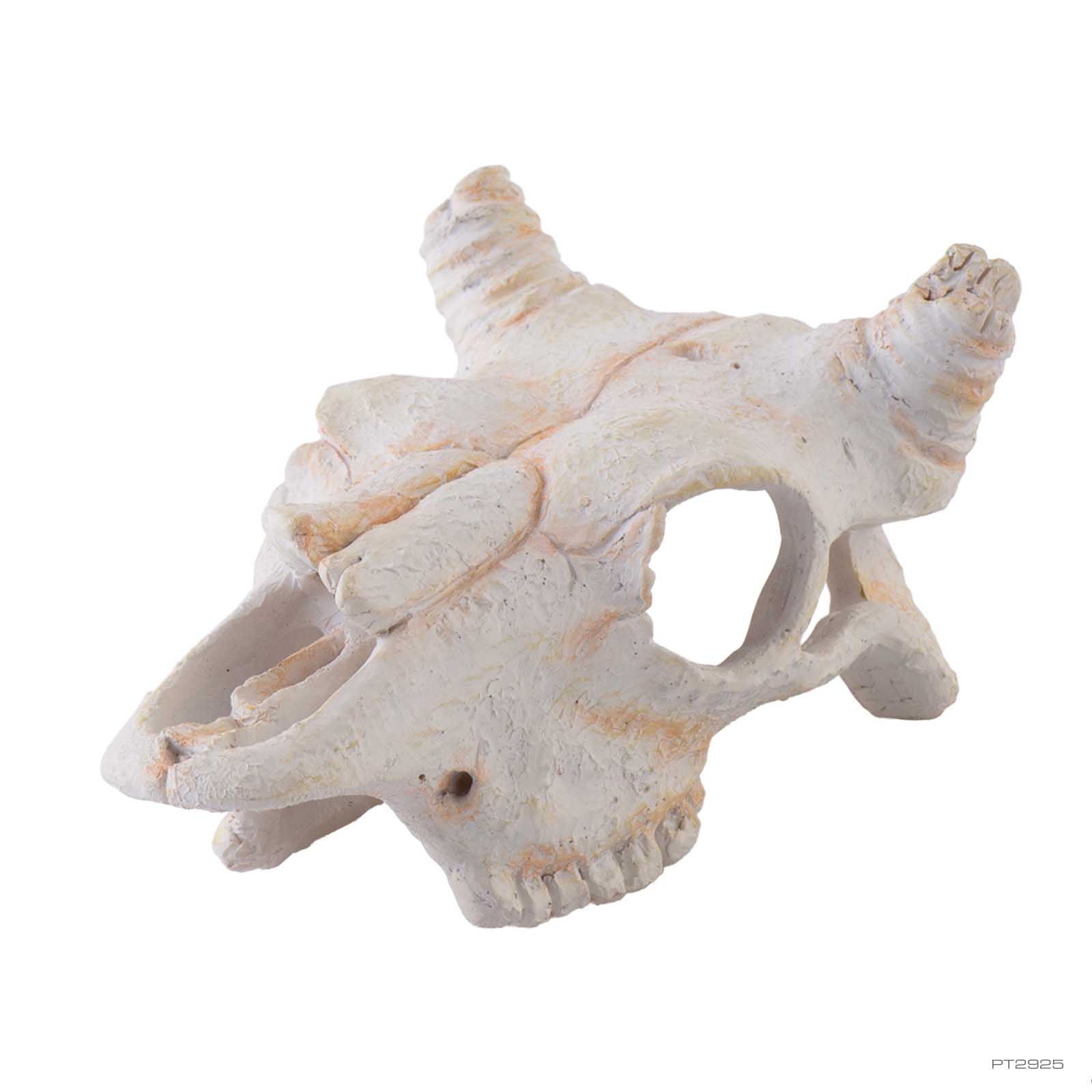
Buffalo Skull Small
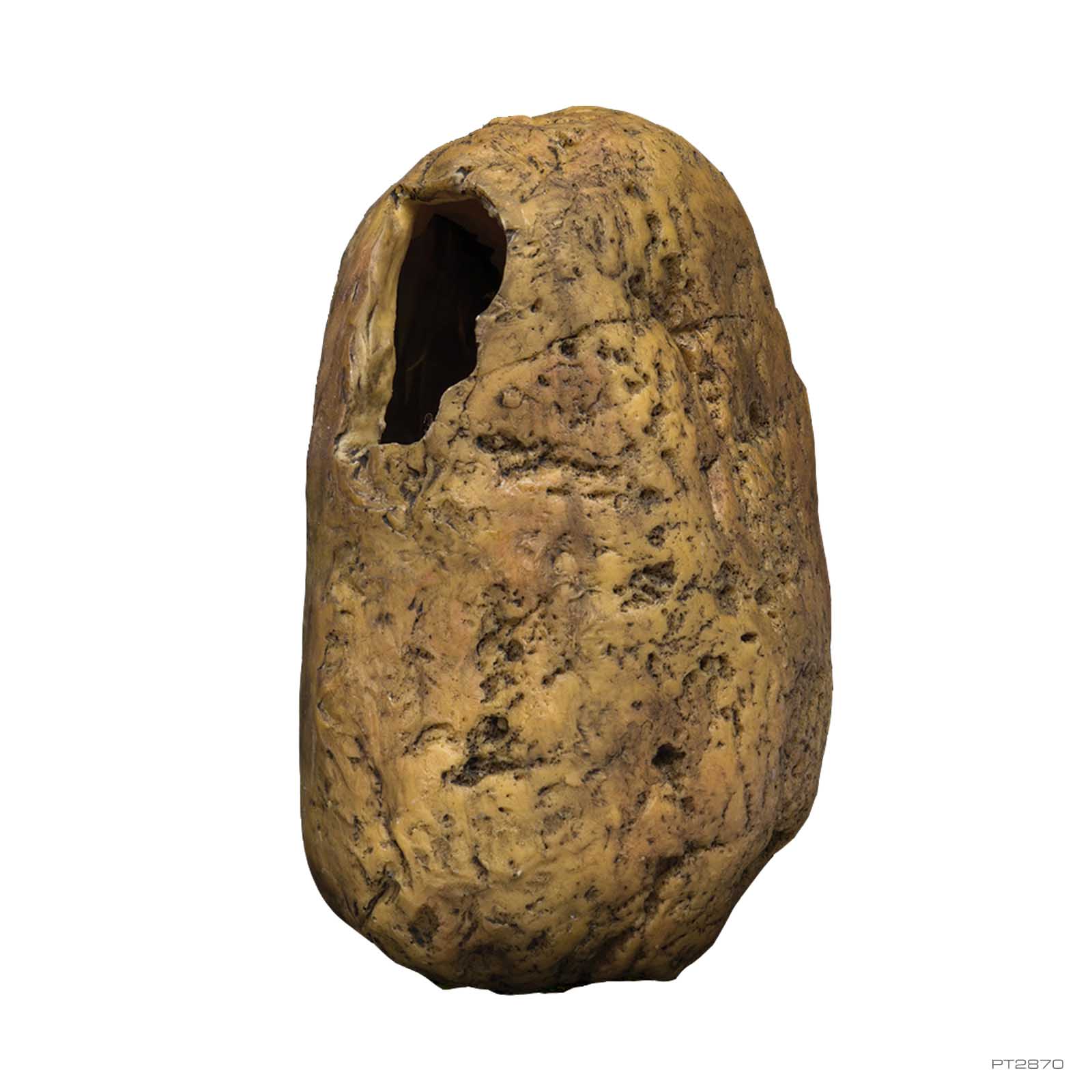
Canopy Cave

Cholla Cactus Large

Cholla Cactus Medium
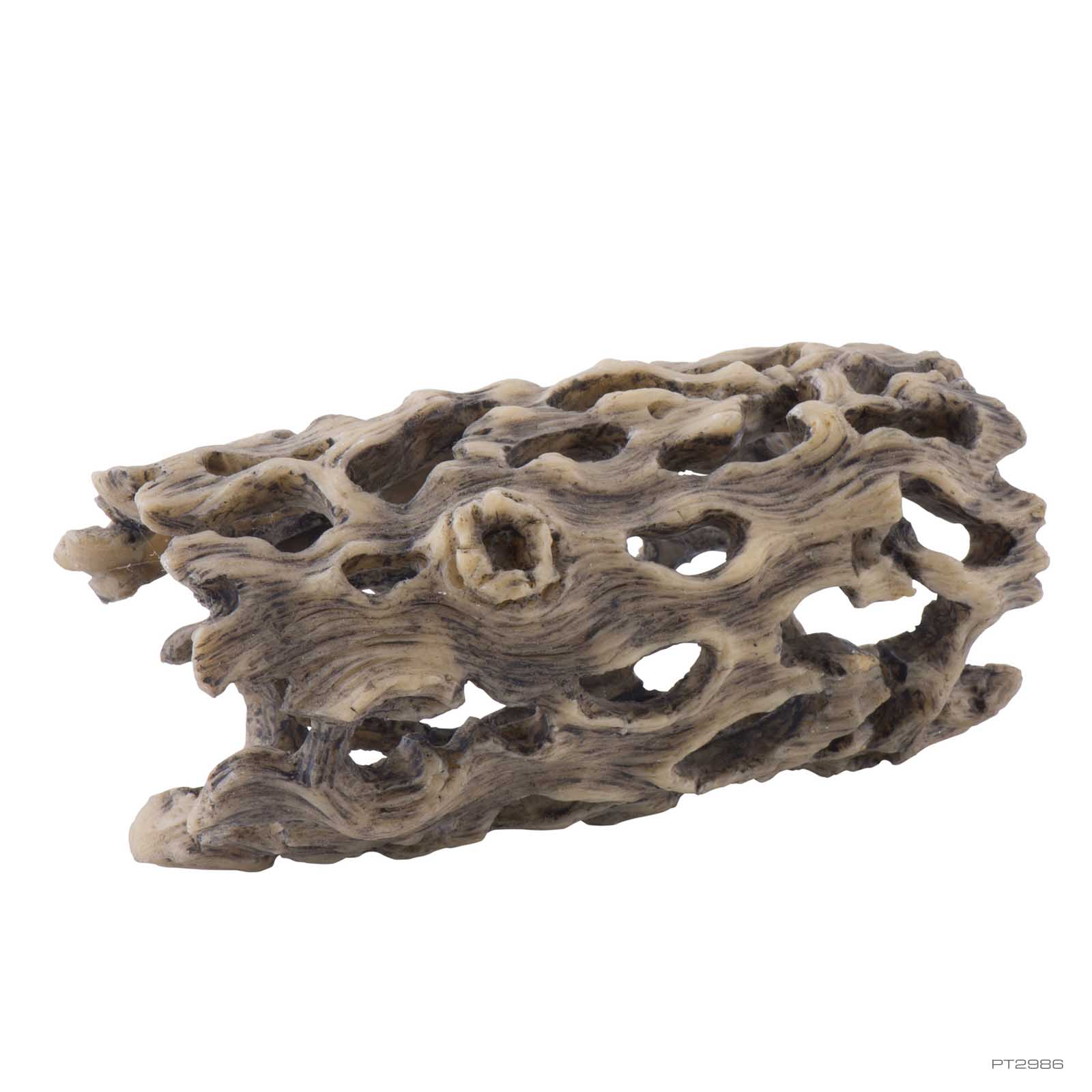
Cholla Cactus Small
Decor
Landscaping a terrarium will encourage physical activity and natural exploratory behaviours.
Exo Terra® offers a wide array of innovative decor items, such as Reptile Caves & Hides, Rock Outcrops, Skulls, Dinosaur Eggs, Ground Cover Plants, and Sandblasted Grapevine. These items not only personalize your terrarium but also offer significant environmental enrichment and functional features for your Milk Snakes. However, it's important to ensure that you don't overcrowd the terrarium, maintaining ample open space for your pet's comfort and mobility.
If you decide to keep multiple Milk Snakes, it's essential to provide multiple hiding places. This ensures that each snake has its own private retreat, offering a comfortable and secure resting area for every individual.
Nutrition
Milk snakes are constrictors, meaning they subdue their prey by wrapping around it and suffocating their prey before consuming it whole. In the wild, the Milk Snake's diet consists of small rodents, but they will also consume birds, eggs, lizards and in some environments even frogs.
The best diet for Milk Snakes living in human care consists primarily of appropriately-sized rodents, such as mice. Feed your Milk Snakes prey items that are approximately the same width, or just slightly larger, than the widest part of their body. For hatchling Milk Snakes, pinkie mice are suitable, while adult snakes can handle larger mice. Young Milk Snakes should be fed once every 5-7 days, while adults can be fed once every 7-14 days.
It is generally recommended to feed pre-killed or thawed frozen rodents to reduce the risk of injury to the snake.
Water
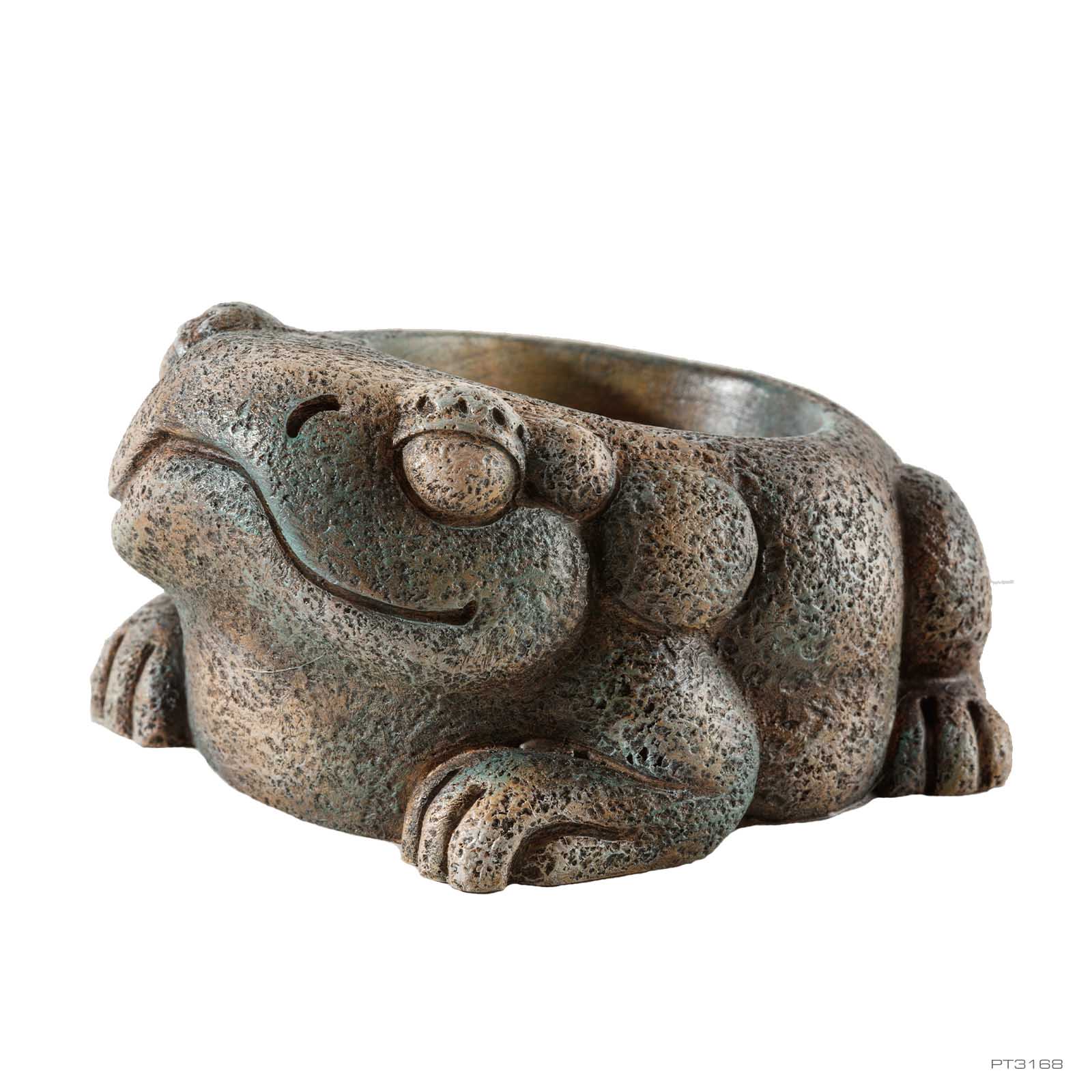
Aztec Frog

Aztec Water Dish Medium

Aztec Water Dish Small

Coconut
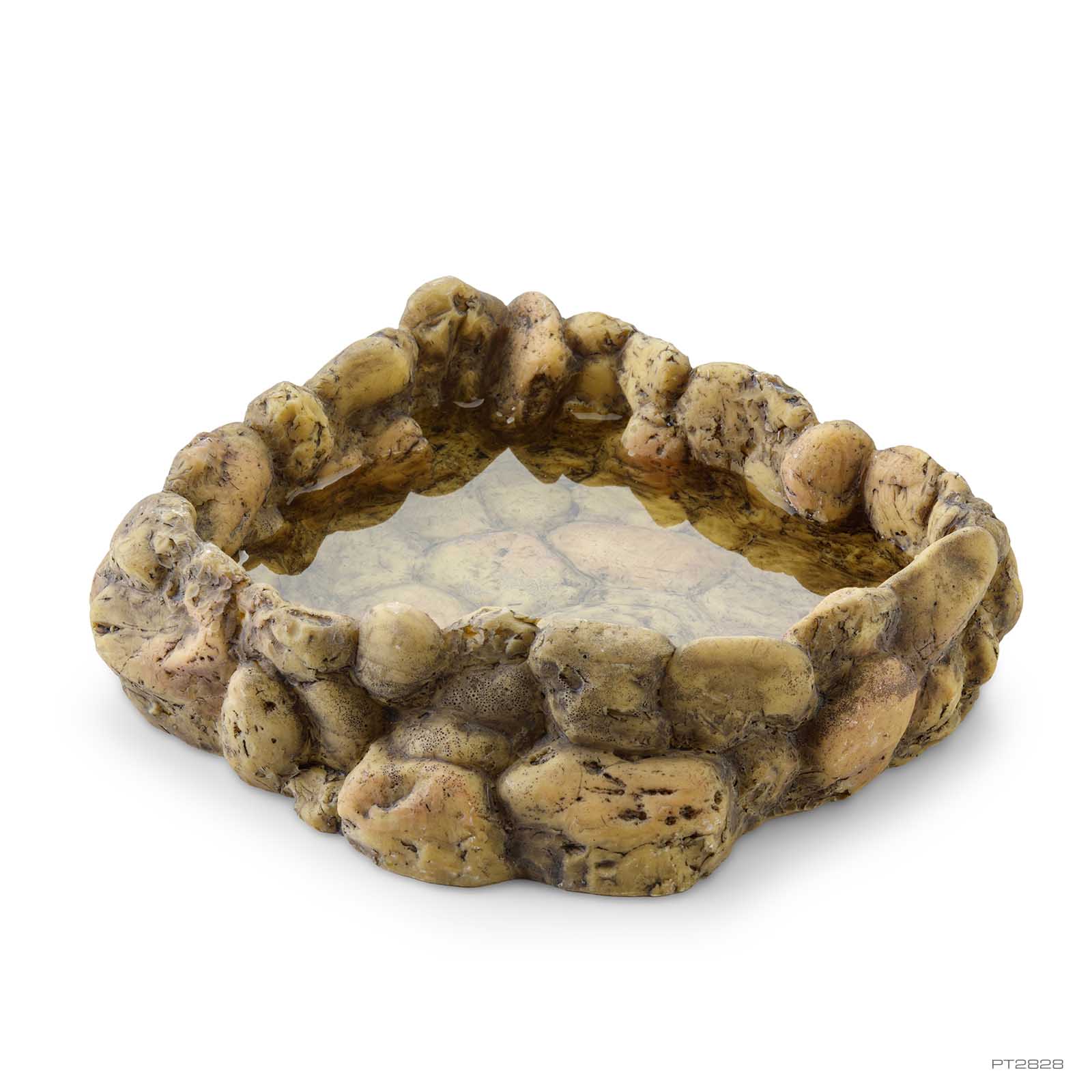
Corner Water Dish Large
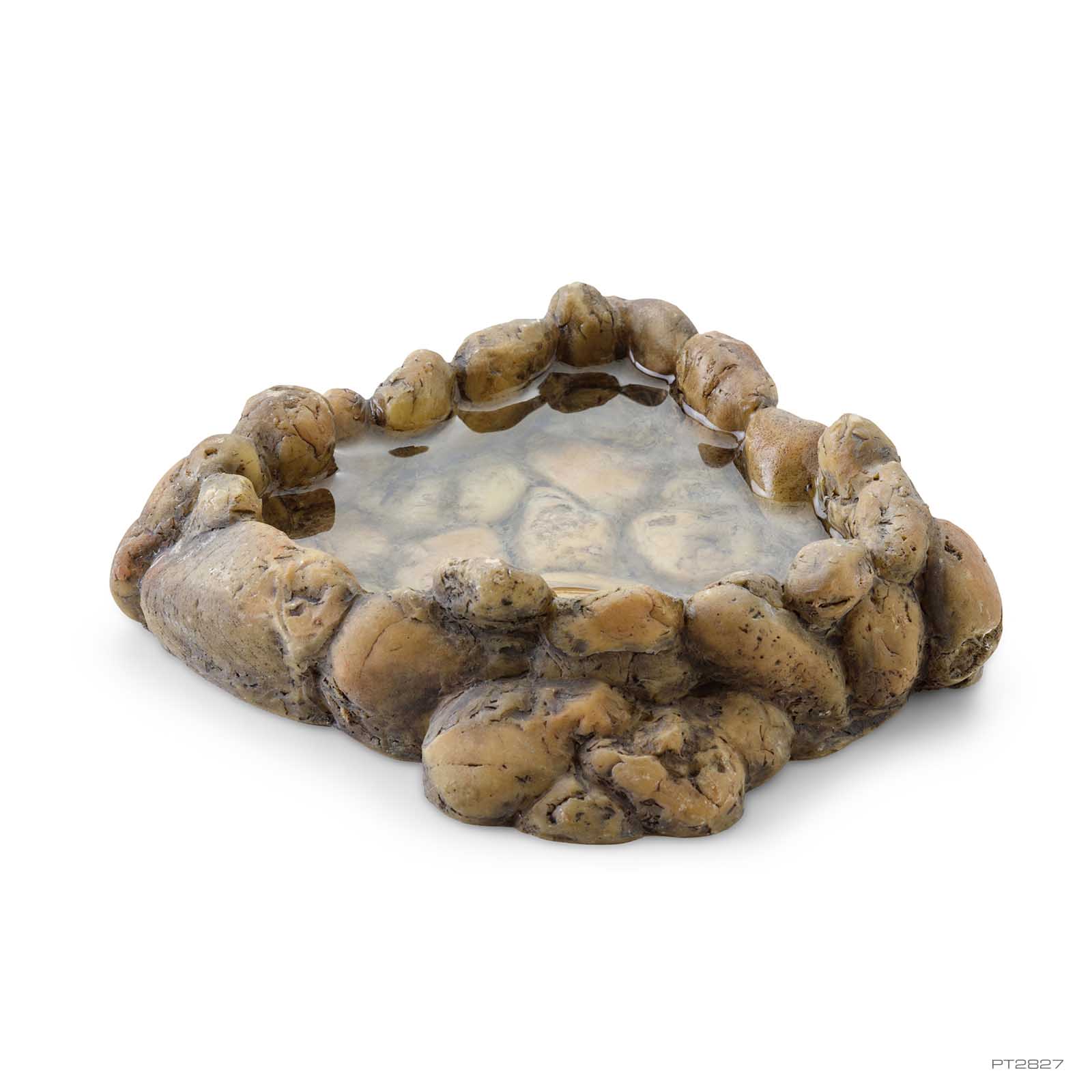
Corner Water Dish Medium
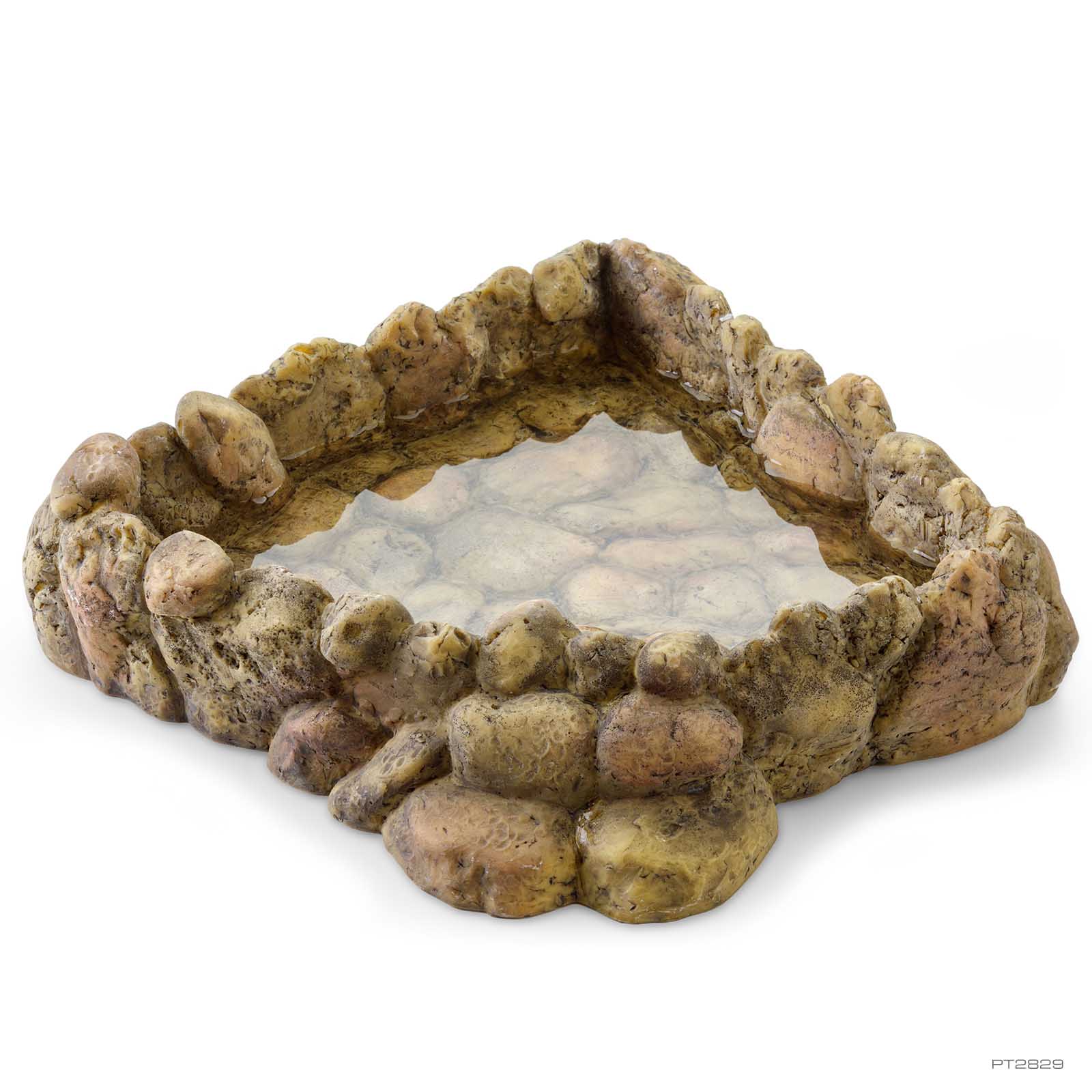
Corner Water Dish X-Large
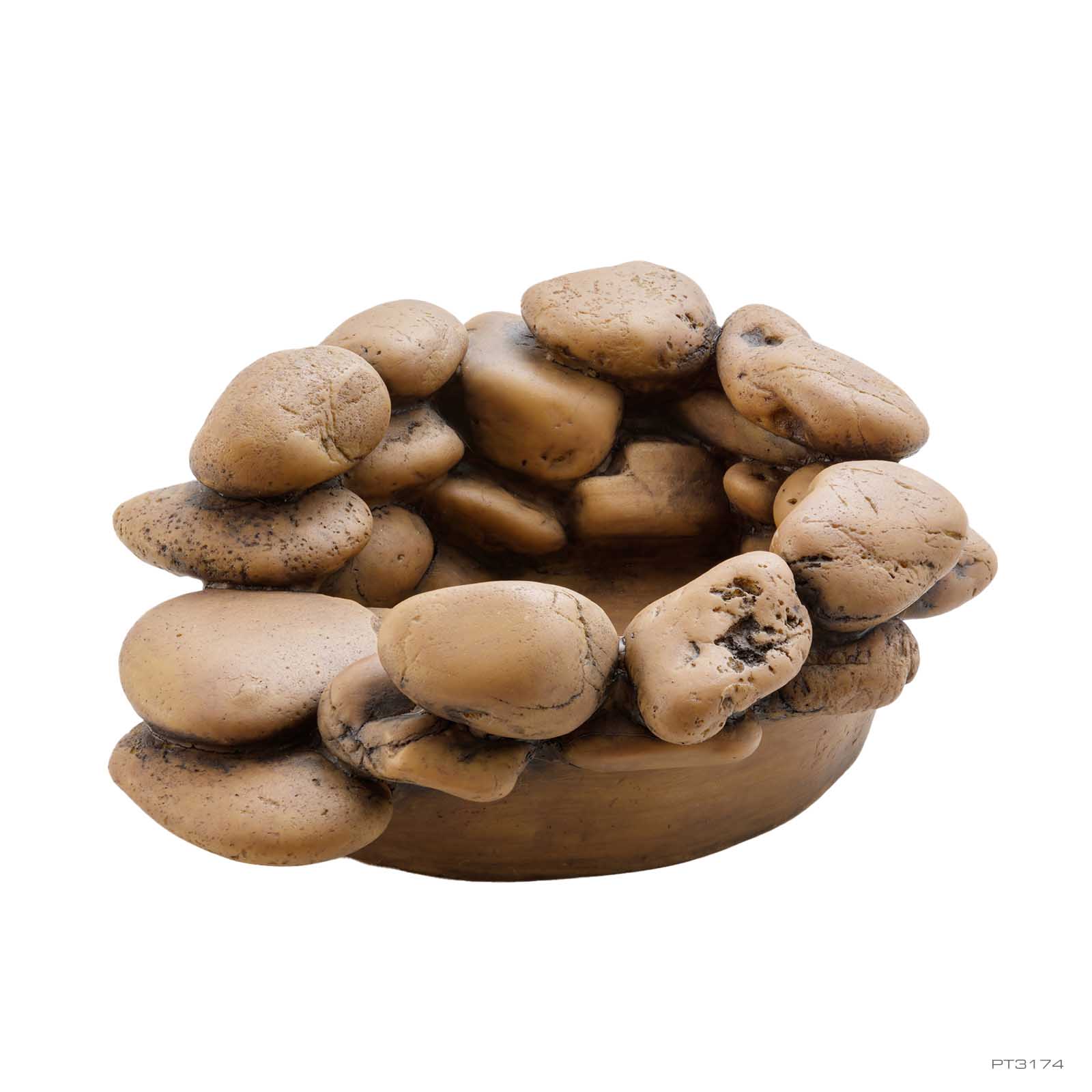
Frog Pond Large
Frog Pond Small
Gecko Dish
Invertebrate Water Dish w/ Foam-V
Reptile Fountain
Milk Snakes need a constant supply of clean, fresh drinking water to stay hydrated. Proper hydration is crucial for their physiological functions, including digestion, circulation, and excretion. Water also serves as a behavioral enrichment element, since Milk Snakes enjoy soaking in their water dish, especially when preparing for their shed cycle, to help loosen their skin.
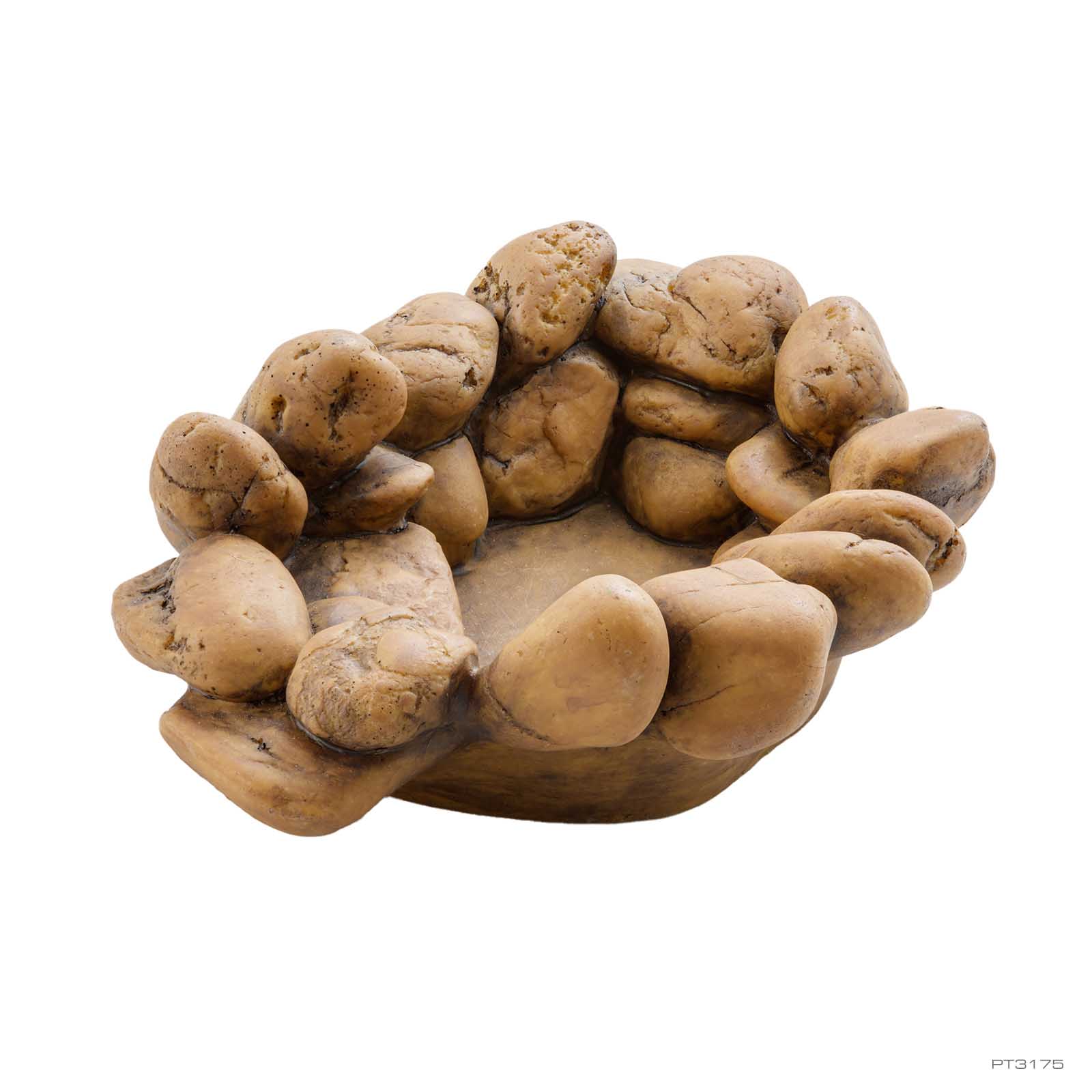
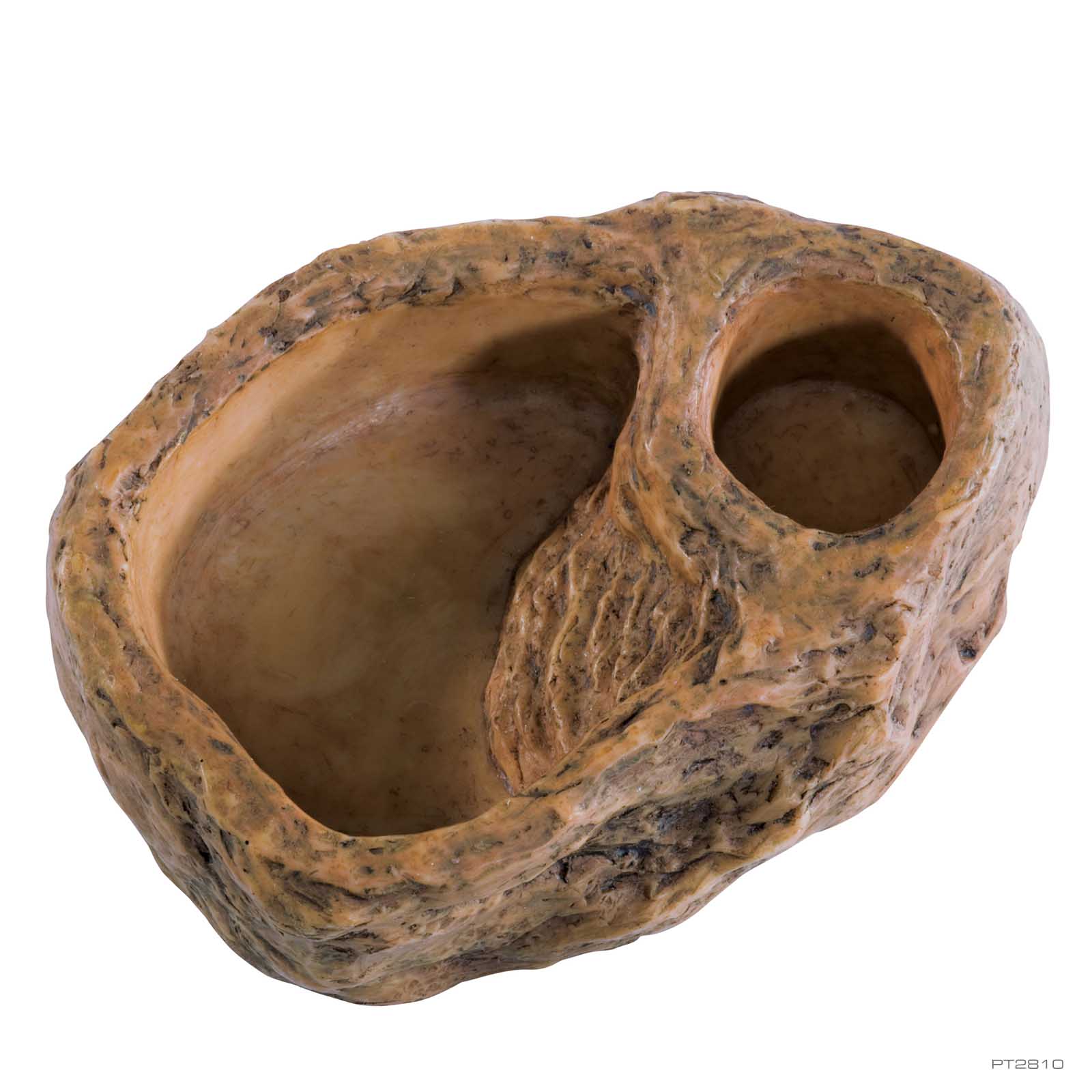
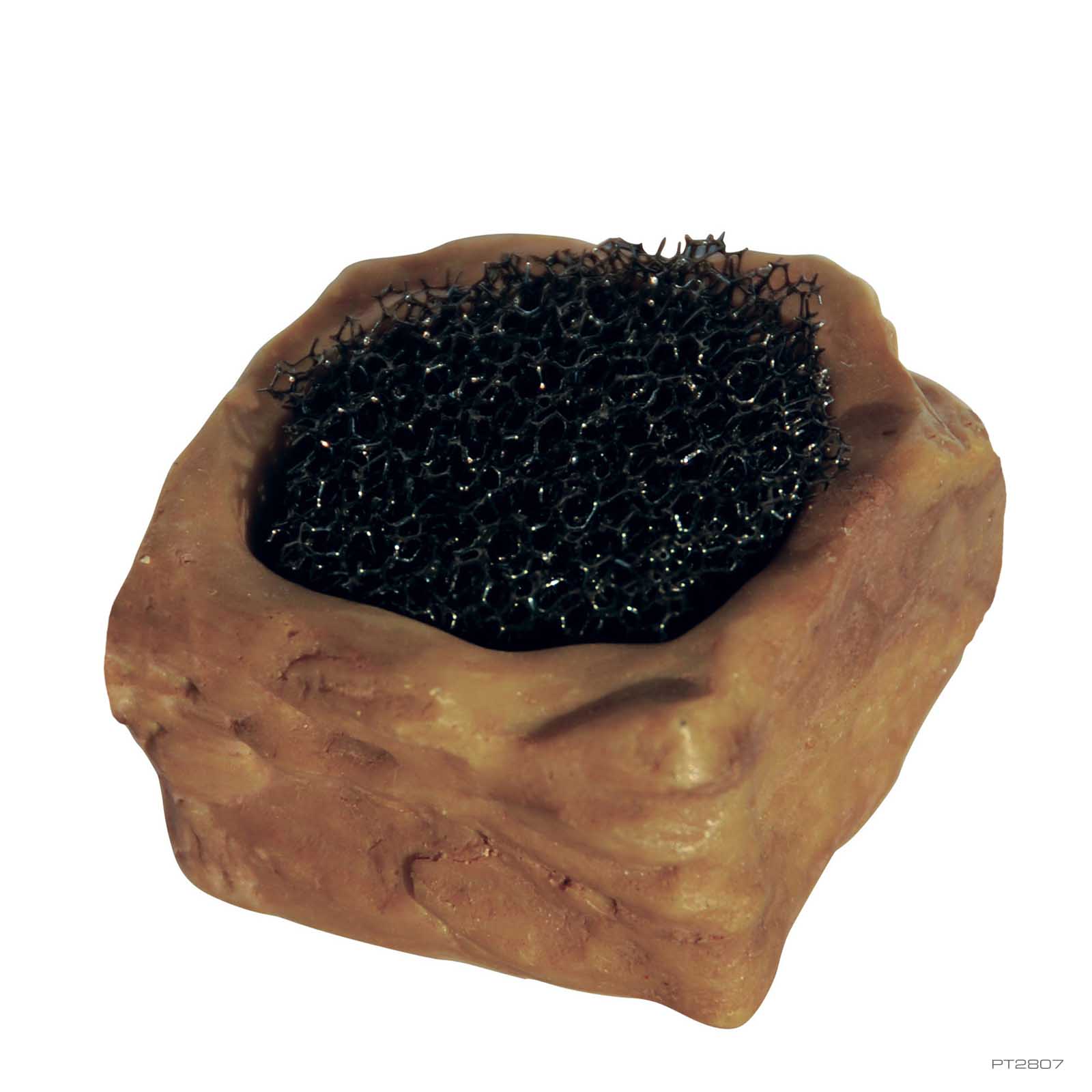
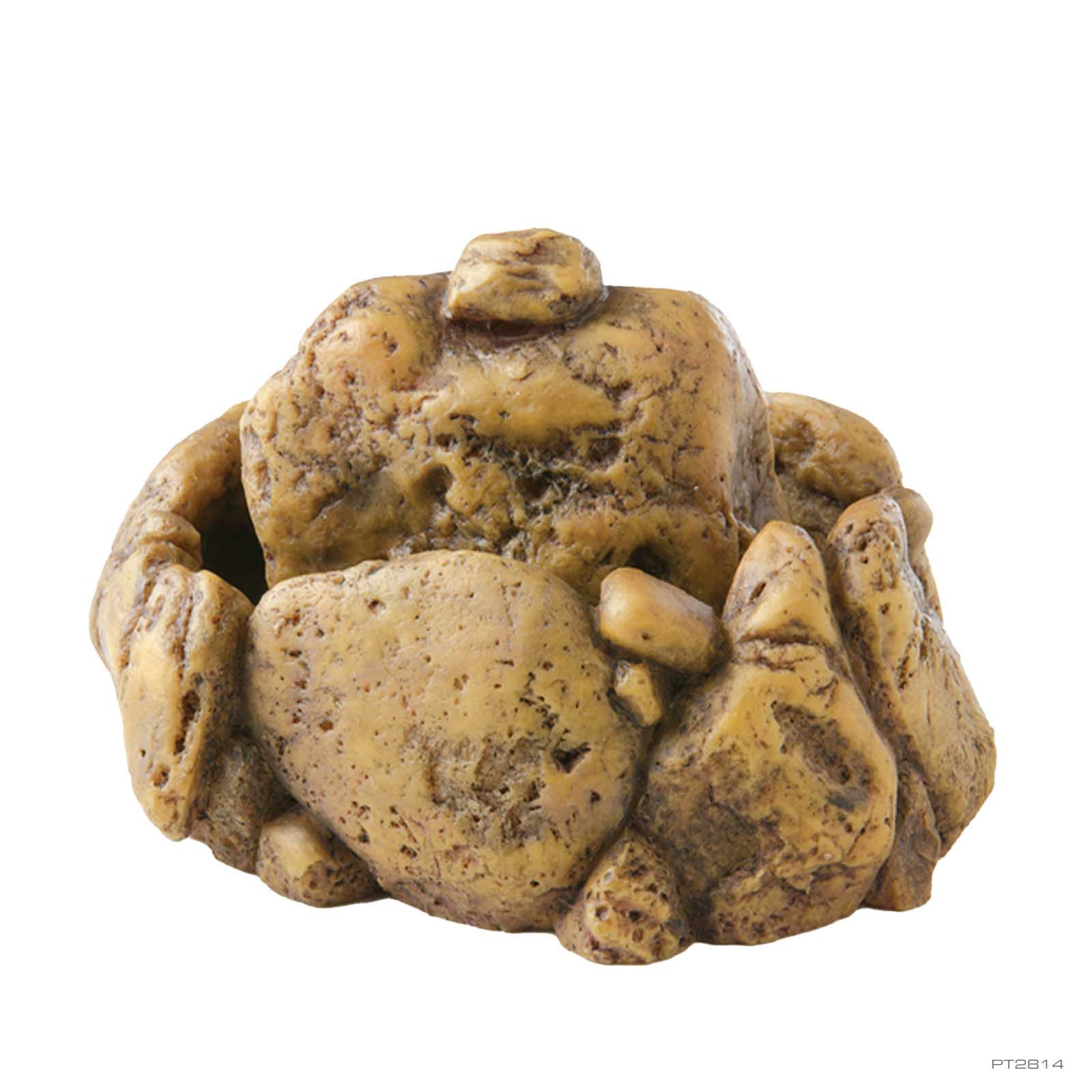
Exo Terra® offers a wide variety of Water Dish designs to match everyone’s taste, all with the same purpose, to keep your animals well hydrated. When thinking of Milk Snakes, especially the Exo Terra Snake Bowl comes to mind. The Snake Bowl has a very natural and realistic rock finish on the outside and a smooth non-pitted surface on the inside. The bowl is coated to prevent the development of harmful bacteria which makes it easy to clean. The Snake Bowl’s extra-deep design allows your snake to curl up in the bowl and fully submerge to soak up water. The shape of the Exo Terra Snake Bowl is designed to prevent it from being tipped over to avoid spilling water.
Always treat tap water with Exo Terra® Aquatize to remove harmful heavy metals, chlorine and chloramines, necessary to provide safe healthy water for your captive reptiles and amphibians. To keep your Milk Snakes happy and healthy, we recommend that you always add Exo Terra® Electrolyte & Vitamin D3 and Exo Terra® Liquid Calcium to the drinking water. The combination of the Electrolyte & Vitamin D3 together with Liquid Calcium will ensure that your Milk Snakes stay well hydrated, keep a healthy appetite and maintain a strong bone structure.
Maintenance
Milk Snakes require relatively little maintenance compared to most pets. It will only take a few minutes every day to check the terrarium temperatures, spot-clean the terrarium as well as clean and refill their water dish.
Daily routine:
1. Check the overall well-being of your animals, are they agile, do they lose weight, check for mites, listen if they have respiratory issues, check for shedding problems, etc.
2. Check the terrarium temperatures
3. Clean the water dish and provide clean fresh water
4. Spot-clean the terrarium; remove feces and soiled substrate.
Weekly routine:
1. Remove and clean hard surfaces if soiled
2. Spot-clean and replace soiled substrate where needed
3. If live plants are used in the terrarium, water these once a week
4. Clean the inside glass and decoration with plain water to remove any waste matter. The outside (NEVER the inside) glass can be cleaned with a paper towel and Terrarium Glass Cleaner
5. Feed your Milk Snakes every 5-7 days (juveniles), or every 7-14 days (adults).
Breeding
Breeding Milk Snakes can be a rewarding experience. Please ensure the snakes are healthy and well-nourished, and environmental conditions are optimal for breeding.
Providing a 12-hour day/night cycle is an adequate photoperiod for the healthy all-year-round keeping of your Milk Snakes. Your Milk Snakes can remain on this temperature, light cycle and feeding regime throughout the year without any disadvantage. The more natural approach, and to induce breeding, is to provide 14 hours of daylight and 10 hours of nighttime during the summer months, and reduce the daylight cycle to 10 hours daylight and 14 hours nighttime during the winter months.
In nature, Milk Snakes (Lampropeltis triangulum) undergo a yearly brumation cycle, which is a milder form of hibernation, lasting about 2-3 months, typically between November and March, depending on the environmental conditions. If breeding Milk Snakes is your goal, it's important to simulate this brumation period. To do so, gradually reduce the photoperiod, or daylight cycle, from around 14 hours per day to 10 hours over a few weeks. Simultaneously, lower the overall temperature slowly to approximately 50-55°F or 10-13°C. This cooling period is crucial for stimulating the natural breeding behavior of Milk Snakes when they are brought back to normal conditions after brumation.
During this brumation period, Milk Snakes experience a significant decrease in activity and metabolic rate. They will eat and drink less and generally be much less active.
After 2-3 months, the cycle should be reversed. Gradually increase the photoperiod, or daylight cycle, back to the normal 12-14 hours per day. The temperature should also be raised to the comfortable ambient range of 75°F to 82°F or 24°C to 28°C. Do not forget to provide fresh and clean drinking water on a daily basis, preferably enriched with Electrolyte, to make sure your snakes are well hydrated after their brumation period. Ensure both the male and female are provided with ample nutrition to gain strength and to support the female in egg development.
Introduce the male to the female's enclosure. This is typically done in the spring, after the warming-up period. Closely monitor their interaction. Mating behavior includes the male courting the female by aligning his body with hers and flicking his tongue.
Approximately 4 to 6 weeks after mating, female Milk Snakes (Lampropeltis triangulum) will lay a clutch consisting of 5 to 15 eggs, though the exact number can vary based on the snake's age, size, and health. Typically, Milk Snakes lay one clutch per breeding season, but under optimal conditions, a female may produce a second clutch, known as a "double clutch." This occurrence is relatively uncommon and usually happens only when environmental conditions, such as temperature and food availability, are particularly favorable.
The eggs are usually deposited in warm, humid, and secure location, so make sure to provide a suitable hide at a spot with the correct temperature, and add a layer of dampened Sphagnum Moss or other moisture retaining substrate to enable the females to lay their eggs. Exo Terra® offers a wide variety of hide-outs to create a perfect egg-laying site for your Milk Snake female. When removing the eggs from the egg-laying site, make sure to maintain the orientation of the egg, keeping the top surface up. Place the eggs in an Exo Terra® Incubation Box (Suspended Incubation Method) or in a plastic container (when using the conventional substrate method) and put the box in the Exo Terra® Precision Incubator PRO set at the desired temperature. Always have an incubator operating for at least 24 hours to monitor temperatures before placing the eggs inside the incubator. Regular temperature checks are required. The Exo Terra® Incubation Box comes with an integrated thermometer that allows you to check the actual temperature inside the egg incubation box rather than relying on the overall temperature measurement in the Incubator.
The ideal temperatures for incubating Milk Snake (Lampropeltis triangulum) eggs are a constant 80-84°F or 27-29°C, with a relatively high humidity of about 85-90%. Eggs incubated at these temperatures will typically hatch after 50-70 days. Maintaining consistent temperatures within this range is crucial, as significantly lower or higher temperatures can reduce hatching viability, increase the risk of egg failure, and potentially lead to deformities in the hatchlings. Proper temperature and humidity control are essential for the successful incubation of Milk Snake eggs.
Handling
Milk Snakes (Lampropeltis triangulum) are generally easy to handle and typically tolerate it well, making them a popular choice among reptile enthusiasts. However, for the well-being of the Milk Snakes, it is important not to engage in overly excessive handling. Hatchlings and young Milk Snakes, in particular, may feel stressed or uncomfortable when being picked up, so it's best to keep handling sessions brief and gentle. Allowing the snake time to acclimate to your presence and handling gradually will help ensure it remains calm and stress-free. Always use both hands when picking up a snake. Gently slide one hand under the anterior third of the snake’s body, and use your other hand to support the middle or rear part of its body. Make sure you permanently support the snake’s body along its length, and avoid gripping the snake too tightly. Allowing it to move freely but securely, by constantly adjusting the position of your hands following the snake's movement, will help it feel more comfortable and secure.
Do not approach your Milk Snake from above, as this may be misinterpreted as a predatory attack and result in a panic reaction. Make sure to move slow and avoid sudden movements to prevent startling the snake.
NEVER interrupt your Milk Snake while it is eating or shortly after. It may lead to the snake refusing to eat or if the snake has already swallowed its prey, handling can cause it to regurgitate due to the stress of the physical disruption.
You will notice that during the whole process, your Milk Snake is constantly flicking its tongue. This is a natural behavior and signals that the snake is “smelling” and “tasting”, getting acquainted with its environment.
Although regular, gentle handling helps maintain a docile temperament, you should handle your Milk Snake only as long as it remains comfortable. If you notice your snake becoming restless, it's best to return it to its terrarium immediately.
Milk Snakes, like many other snake species, can sometimes defecate when handled, especially if they feel stressed or threatened. This behavior is a natural defense mechanism, intended to deter predators by making them less appealing to eat. Younger Milk Snakes and those that are not yet accustomed to being handled are more likely to exhibit this behavior. Over time, with gentle and consistent handling, many Milk Snakes become more comfortable and are less likely to defecate when handled. However, it's always a possibility, especially if the snake is startled or feels insecure.
DISCLAIMER Always make sure to thoroughly wash and rinse your hands with warm water before and after handling any reptile, amphibian or invertebrate.
Conclusion
The Milk Snake's relatively small size, gentle nature, and ease of handling make it an appealing choice for both novice reptile enthusiasts and experienced hobbyists. The fact that captive bred offspring is available at most reptile stores, and that there's huge variety of color morphs, contributes to the popularity as well.
Did You Know?
The conservation status of Milk Snakes (Lampropeltis triangulum) is generally considered to be of "Least Concern" due to their wide distribution and common presence in various habitats across North and Central America. There is no official IUCN status listing for the species, reflecting their generally secure status in the wild.
Lampropeltis triangulum, commonly known as the Milk Snake, gets its name from an old myth that these snakes were often found in barns and were believed to drink milk from cows. While this is not true, Milk Snakes were frequently found in barns and other agricultural areas, where they hunted for rodents, which were attracted to the livestock feed. The name "Milk Snake" reflects this historical association with farms and barns, even though the snake's diet consists primarily of small mammals, birds, and other reptiles, not milk.
Milk Snakes are exceptional escape artists, able to squeeze through surprisingly small gaps, so it's important to stay vigilant.
Milk snakes have been known to live for over 20 years in captivity with proper care.
Frequently Asked Questions
Is a Milk Snake the right choice for me ?
Milk Snakes are a are hardy, long-lived and “easy-to-care-for” snake species, and on top of that, they come in a variety of color & pattern morphs. They're also relatively small in size, gentle nature, and tolerate handling very well.
How often should I feed my Milk Snake ?
Juveniles should be fed every 5-7 days, while adults can be fed every 7-14 days.
What should I do if my Milk Snake refuses to eat ?
Ensure the enclosure conditions are optimal and the prey size is appropriate. If refusal persists, consult a veterinarian.
Do Milk Snakes need UVB lighting?
How can I tell if my Milk Snake is about to shed ?
Signs include dull coloration, cloudy eyes, and reduced appetite. Ensure proper humidity to aid the shedding process.
Can I house multiple Milk Snakes together ?
It is generally not recommended, as it can lead to stress and competition for resources. Milk Snakes are known to exhibit cannibalistic behavior, meaning they may prey on other snakes, even those of similar size or species. This risk is especially high if there is a significant size difference between the snakes. When keeping Milk Snakes together in captivity, it's essential to monitor them closely for signs of stress or aggression. Ensure they are of similar size, and provide ample space and individual hiding spots to reduce negative interaction.
How often should I clean the terrarium ?
Should I add decor to my Milk Snake Terrarium ?
Other species
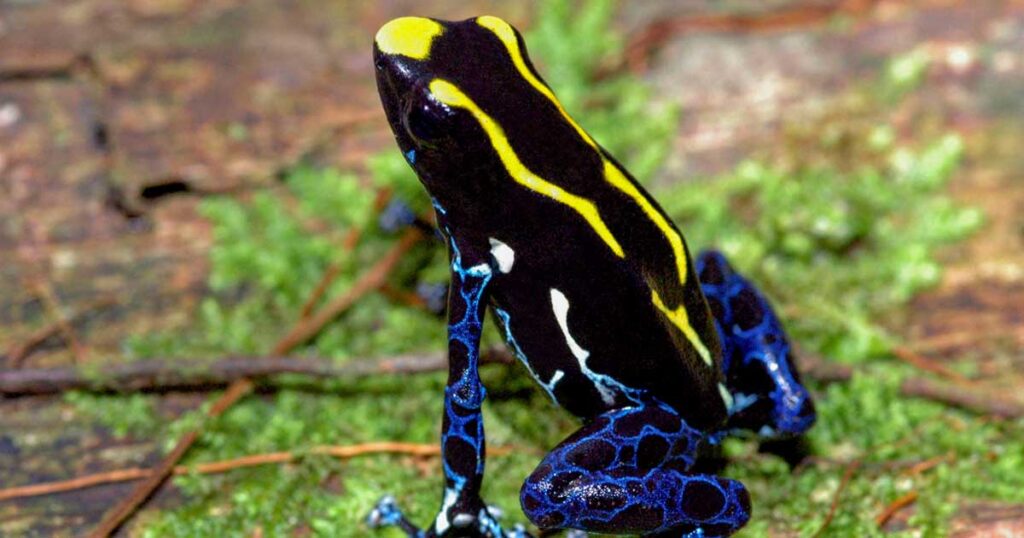
Dendrobates tinctorius
Dyeing poison dart frogs are endemic to the eastern part of the Guiana Shield: French Guiana, southeastern Guyana, southwestern Suriname, and a relatively small adjacent part of northern Brazil.
The species is known for its extensive colour and pattern polymorphism, both within and among populations. The frog’s pattern is made up of a black base color and a varying combination of bands, splotches and dots in different shades of blue, yellow, white, and even orange. Like other poison dart frogs, their bright colours are actually a warning sign to inform predators that they are poisonous and should not be eaten (aposematic coloration).
Dyeing poison dart frogs live a terrestrial lifestyle: they are bottom dwellers that spend most of their time on and in between the leaf litter that covers the forest floor. They do, however, also frequently climb vines and trees.
Their amazing colours, curious nature, and the fact that they are easy to care for makes them appealing display animals for both the beginning amphibian enthusiast as well as for the advanced hobbyist. Dyeing poison dart frogs are best kept as pairs or trios consisting of two males and one female: females might express dominant and aggressive behaviour towards other females when there is a conflict of interest in a specific male.
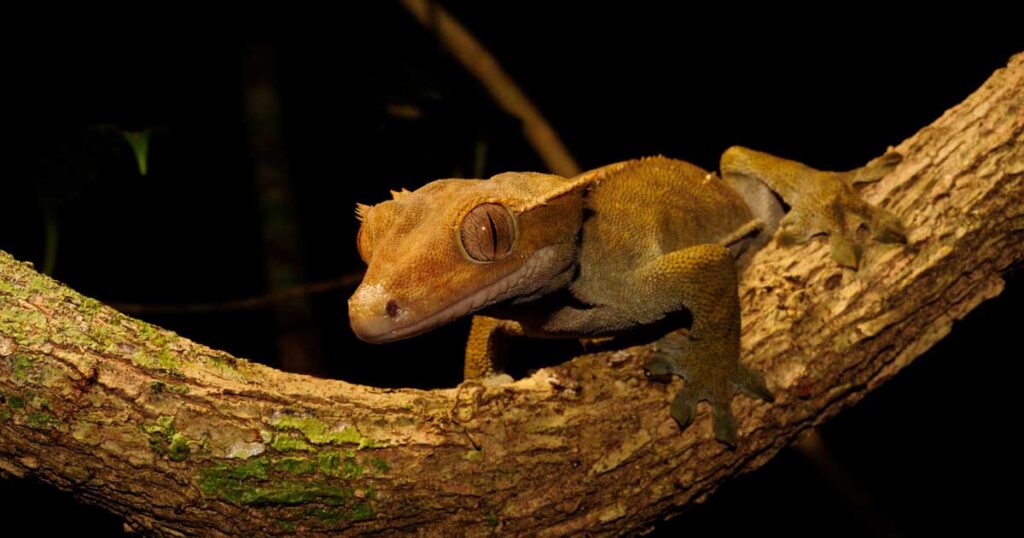
Correlophus ciliatus
Crested Geckos (Correlophus ciliatus) are native to the islands of New Caledonia in the southern Pacific Ocean. These Crested Geckos, or Eyelash geckos, get their common names from the distinctive rows of spikes that run over their eyes and down the sides of their heads.
Thought to be extinct for many years, they were rediscovered in 1994, and several animals were brought to Europe and the United States. Soon thereafter, they proved to be very prolific in terrarium. Due to their beauty, easy manageable size, calm temperament, and ease of care in terrarium, these geckos have become one of the most popular reptiles kept as pets.
“One of the great accomplishments of herpetoculturists,” says Philippe de Vosjoli, “was to establish the New Caledonian Crested Gecko in captivity. Twenty years ago, this species was known by hobbyists only in the form of photographs of preserved museum specimens.”
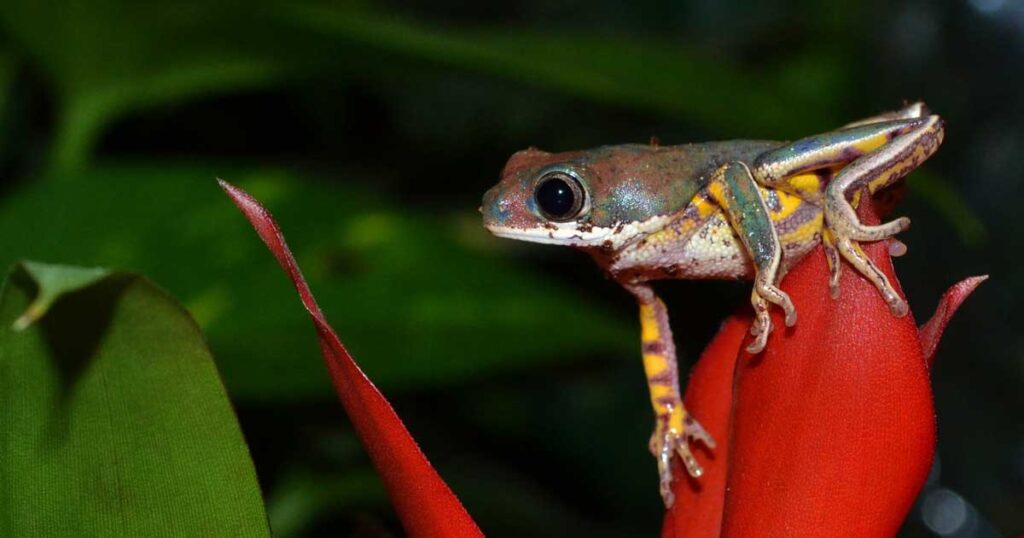
Phyllomedusa hypochondrialis (Pithecopus hypochondrialis)
Tiger-Legged Monkey Frogs are native to Colombia, Venezuela, Suriname, Guyana & French Guyana, Brazil, Bolivia and Paraguay. They prefer tropical & subtropical dry and moist forests but can also be found in seasonally flooded grasslands. The type locality of the Tiger-Legged Monkey Frog referenced in the original description is Suriname.
The Tiger-Legged Monkey Frog’s common name refers directly to the striped tiger markings on the inside of the frog’s thighs. These frogs really deserve their common name as being Monkey Tree Frogs. Rather than jumping like other frogs do, they prefer to use their long, skinny legs to slowly walk in the trees in a monkey-like fashion. They’re also one of the only frogs with opposable thumbs, allowing them to use their monkey-like “hands” to get a firm grip on the thin branches, while walking through the vegetation that they live on.
Tiger-Legged Monkey Frogs are stunning, long-lived and “easy-to-care-for” amphibians. Their engaging personalities, their bright green dorsal color, their orange with black tiger striped inner thighs and partially orange with irregular black stripes and blotches on the flanks, make them one of the most stunning display animals for both the beginning reptile enthusiast as well as for the advanced hobbyist.
Tiger-Legged Monkey Frogs live an arboreal lifestyle, sleeping on the back of the leaves in the trees and shrubs that they live in.
Tiger-Legged Monkey Frogs are a fairly social species and are best enjoyed when kept in small groups of 4 to 8 animals. The interaction between the animals in these small groups increases the viewing pleasure but also stimulates their mating behavior.
Tiger-Legged Monkey Frogs have been captive bred in the USA and Europe for decades. The somewhat larger cousin of the Tiger-Legged Monkey Frog (Phyllomedusa hypochondrialis), the Super Tiger Leg Monkey Tree Frog (Phyllomedusa tomopterna) is also being captive bred, but to a much lesser extent.

Chamaeleo calyptratus
Veiled Chameleons or Yemen Chameleons are native to Yemen and Saudi Arabia. There are also introduced populations in Hawaii (thought to be eradicated but still persisting), California and SE and SW Florida, USA. They primarily prefer montane subtropical to tropical vegetation in the deep valleys (called wadis), in the Hijaz Mountains in Saudi Arabia and Yemen.
Since Yemen is suffering for over a decade of war and is not an easy country to travel to, or to export animals from, it is amazing how this species was established so well in the hobby. One of the first to study this species in nature, as well as establish the captive husbandry guidelines, was the world-renowned herpetologist Petr Necas. He bred tens of thousands of Veiled Chameleons and introduced these to the hobbyists in Europe and the USA. In the meantime, this species has become not only the most readily available chameleon, but also one of the more popular reptile species in general. Due to selective breeding, there are “bloodline” variations of the Veiled Chameleon available that show more yellow/orange or bluer and there’s even a partially leucistic color morph available (called translucent in the USA).
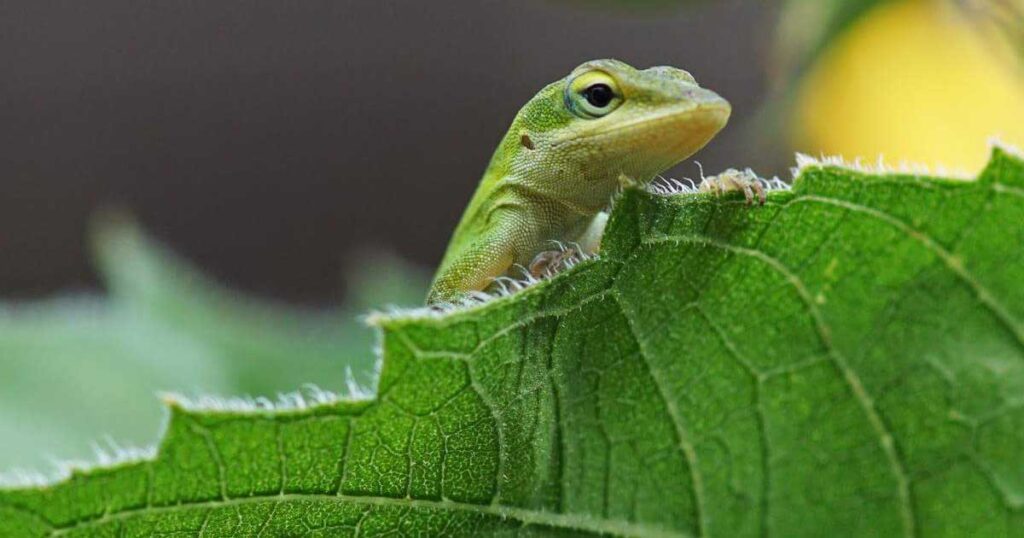
Anolis carolinensis
Green Anoles are native to the Southeastern United States, but have also been introduced to Hawaii, Ogasawara Islands of Japan, Cuba, the Bahamas, and Guam. Green Anoles are diurnal, primarily arboreal, iguanid lizards of the Genus Dactyloidae. Green Anoles mostly inhabit trees and shrubs in tropical & subtropical evergreen forests, but can just as well be found in open grassland with only a few trees, and even in rural and urban areas.
With their changing base color from brown to vivid green, their reddish-pink colored dewlap and their interesting displaying behaviour, these terrarium inhabitants rank among the most popular and easiest to keep beginner reptiles.
Green Anoles are a fairly social species and are best enjoyed when kept in small groups of 1 male with 3 or more females. The interaction between the animals in these small groups increases the viewing pleasure but also stimulates their mating behavior.
Green Anoles have been captive bred in the USA and Europe for more than 30 years. Green Anoles are available as captive bred specimen as well as wild-caught specimen using sustainable ranching and size-selective harvesting.
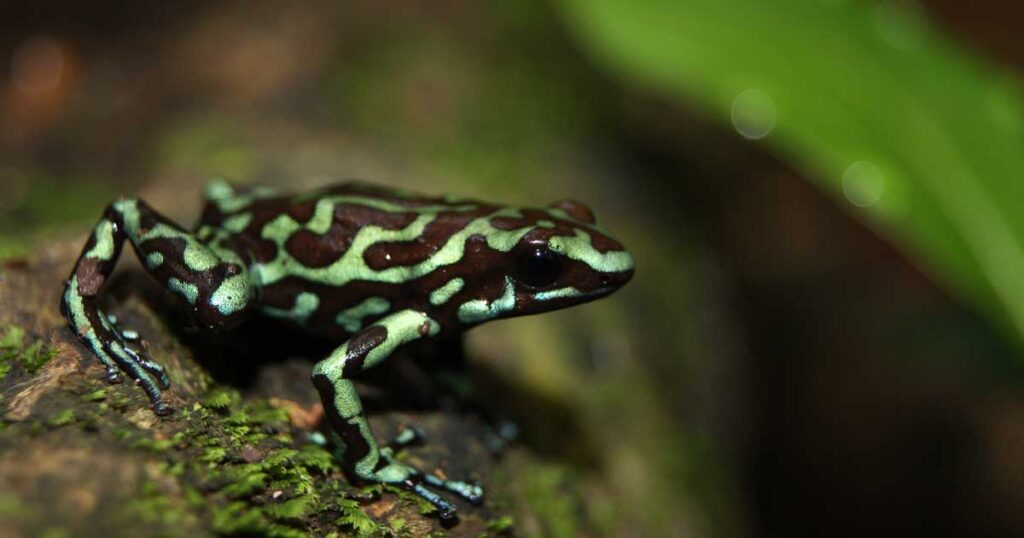
Dendrobates auratus
The green-and-black poison dart frog, or Dendrobates auratus, is a captivating amphibian native to southeastern Nicaragua, Costa Rica, Panama, and northwestern Colombia. Recognizable for its long lifespan, the species is also notable for being relatively easy to care for, making it an appealing choice for hobbyists and researchers alike.
Its vivid mint-green base coloration punctuated with black splotches sets it apart visually. However, this species displays a fascinating trait known as color polymorphism. Individuals can exhibit varying shades, with base colors ranging from green to blue, yellow, and even white. The darker splotches, a characteristic signature of the species, vary from bronze to black.
Just like other poison dart frogs, their bright colors serve a crucial evolutionary purpose. They exhibit aposematic coloration, wherein the vibrant hues deter potential predators by signaling the frog’s toxic nature, discouraging them from considering the frog as prey.
Primarily terrestrial, green-and-black poison dart frogs are bottom dwellers, spending most of their time navigating through the leaf litter blanketing the forest floor. However, they frequently venture upwards, climbing vines and trees in their tropical habitats.
These frogs are attractive display animals for beginner and advanced amphibian enthusiasts. Their stunning coloration, coupled with their relative ease of care, make them popular choices for terrarium inhabitants. They are best kept as pairs or in groups with most males, as females may exhibit aggressive behavior towards each other when vying for a specific male’s attention.
Initially, these creatures may exhibit shy behavior. However, when housed in a well-planted terrarium offering plenty of hiding spots, they quickly become more active, adding a dynamic element to their display. With their intriguing behaviors, rich color variation, and their adaptability, Dendrobates auratus offer a unique glimpse into the vibrant world of amphibians.
Stay up on all things exo terra.
"*" indicates required fields